You Won’t Believe These Hidden Corners of Algiers’ Urban Soul
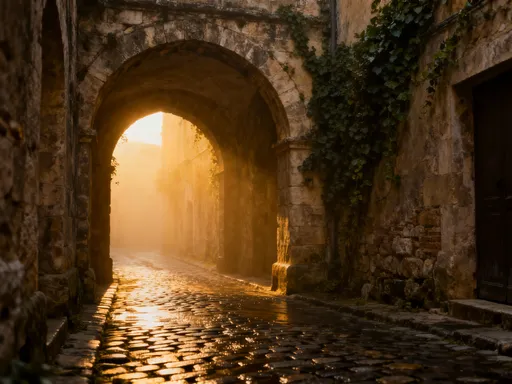
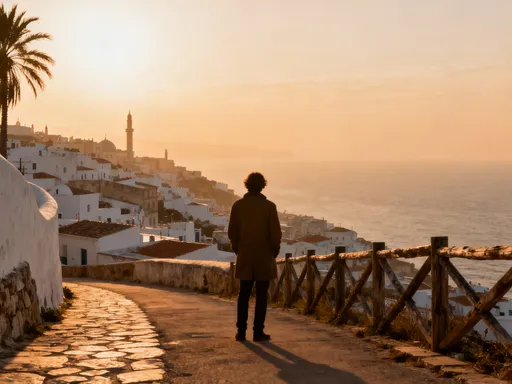
Algiers isn’t just a capital—it’s a living maze of stories whispered through alleyways and sea breezes. I wandered without a map and found soul-stirring spaces most tourists miss. From quiet courtyards tucked behind bustling streets to coastal paths with panoramic views, the city reveals itself slowly. This is urban exploration at its most authentic—raw, real, and unforgettable. Every staircase tells a story, every shadowed archway holds a memory. The city doesn’t announce its beauty; it reveals it in fragments, in moments when the call to prayer echoes between hills, or when sunlight spills across tiled walls in the late afternoon. To know Algiers is to move through it with patience, curiosity, and respect.
The Pulse of Algiers: More Than a Capital City
Algiers pulses with a rhythm shaped by centuries of cultural convergence. Perched between the Mediterranean Sea and the Sahel hills, the city’s topography dictates its flow—narrow streets climb steep inclines, neighborhoods stack upon one another, and movement is as much vertical as it is horizontal. This unique geography has fostered a way of life where proximity breeds intimacy, and daily routines unfold in full view of neighbors. Unlike planned capitals built on grids, Algiers evolved organically, its urban form reflecting the needs, traditions, and resilience of its people.
The city’s identity is layered like its landscape. Phoenician traders once anchored near what is now the port, followed by Romans, Byzantines, Ottomans, and French colonizers—each leaving traces in stone, language, and custom. Yet Algiers is not a museum of empires. It is a modern North African capital that absorbs history without being trapped by it. The blend of architectural styles—Baroque facades beside Islamic arches, Art Deco buildings standing next to whitewashed Casbah homes—creates a visual language all its own. What makes Algiers distinct is how these elements coexist not as relics, but as active parts of daily life.
Public spaces in Algiers serve as social anchors. The Grand Poste, with its ornate dome and symmetrical wings, functions not only as a post office but as a meeting point, a landmark for orientation, and a place where people pause to take photographs or share a cigarette. Boulevard Khemisti, once known as Boulevard de la Madeleine, remains a promenade for strolling families and young couples, especially in the evenings when the heat subsides. These spaces are not merely functional; they are stages for the unscripted theater of urban life—children chasing pigeons, vendors selling mint tea, elders debating politics on benches.
What defines the pulse of Algiers is its unpredictability. A sudden festival might close a street, a wedding procession could turn a quiet lane into a dancing corridor, or a power outage might bring neighbors together on rooftops with candles and conversation. This spontaneity is not chaos; it is the expression of a culture that values human connection over rigid schedules. For the visitor, embracing this rhythm means letting go of strict itineraries and allowing the city to guide the journey.
Casbah: The Beating Heart with Hidden Passages
The Casbah of Algiers, designated a UNESCO World Heritage site in 1992, is often described in travel guides as a historic fortress or ancient citadel. But reducing it to a monument overlooks its true essence—it is a living neighborhood, home to thousands of Algerians who live, work, and raise families within its labyrinthine alleys. Its narrow streets, some barely wide enough for two people to pass, twist and turn like veins through the hillside, connecting homes built centuries ago with the rhythms of contemporary life.
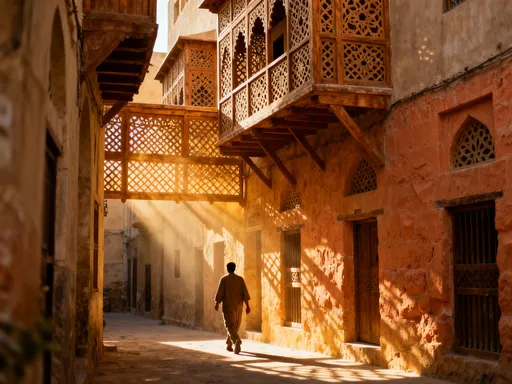
To walk the Casbah is to experience vertical urbanism at its most intimate. Staircases carved from stone link levels, each step worn smooth by generations of footsteps. Houses with green shutters and wrought-iron balconies lean toward one another, their laundry lines crisscrossing overhead like threads in a tapestry. Rooftop terraces, often hidden from street view, offer private sanctuaries where families gather for meals or where one can sit alone and watch the sun dip below the sea. These rooftops are among the best-kept secrets of the Casbah—spaces of quiet reflection in the midst of urban density.
Access to the Casbah can feel mysterious to outsiders. While official entrances exist near the lower districts, locals often use smaller, less conspicuous pathways known only to residents. One such route begins behind the old customs building, where a narrow alley leads upward through a series of courtyards and archways, each opening into increasingly tranquil zones. Another path starts near the Koubba of Sidi Abderrahman, winding past a centuries-old mosque before emerging in a quiet square where children play football on uneven cobblestones.
Preservation efforts have been ongoing, but the Casbah faces challenges from structural decay, overcrowding, and limited infrastructure. Restoration projects aim to reinforce buildings and improve sanitation without displacing residents—a delicate balance between heritage conservation and social equity. Visitors are encouraged to approach the area with humility, avoiding intrusive photography and respecting private spaces. The Casbah is not a theme park; it is someone’s home. A simple smile, a polite greeting in Arabic or French, goes a long way in building goodwill.
What makes the Casbah truly remarkable is its sense of community. In a world where urban life often feels anonymous, here, people know their neighbors. Shopkeepers call out greetings by name, elders sit on low walls observing the flow of life, and children move freely between homes. This tight-knit social fabric is as much a part of the Casbah’s heritage as its architecture. To experience it is to witness urban life at its most human scale.
Coastal Edges: Where City Meets Sea in Silence
While Algiers is a Mediterranean capital, its relationship with the sea is not always obvious to the casual observer. The city’s coastline is not lined with resorts or boardwalks, but with cliffs, hidden coves, and quiet promenades known primarily to locals. These coastal edges offer some of the most peaceful urban escapes in North Africa—a place to breathe deeply, listen to waves, and watch the light shift across the water as the day unfolds.
The Corniche, a scenic road that traces the coastline from the city center eastward, is the most well-known route for sea views. But beyond the traffic and occasional tourist stops lie quieter stretches. Cap Caxine, located just beyond the El Madania district, is one such gem. Accessible by foot or local bus, this rocky promontory offers unobstructed views of the sea and the city skyline. In the early mornings, fishermen cast their lines from the rocks, while in the evenings, couples and families gather to enjoy the cool breeze and the colors of sunset.
Further east, near the neighborhood of El Annasser, small coves can be found tucked between residential blocks. These are not marked on maps, nor do they have names recognized by official tourism boards. Yet they are frequented by locals who seek solitude or a place to read, sketch, or simply sit in silence. Some of these spots are reached by descending narrow staircases cut into the cliffside, their metal railings worn smooth by use. The descent itself becomes part of the experience—a transition from the noise of the city to the calm of the shore.
These coastal spaces serve an emotional function as much as a recreational one. In a densely populated city where private outdoor areas are rare, access to the sea provides psychological relief. The sound of waves, the smell of salt, the vastness of the horizon—all offer a sense of release. For many Algerians, these moments by the water are not luxuries but necessities, small acts of self-care woven into daily life.
Timing enhances the experience. Early morning visits offer solitude and soft light, ideal for photography or quiet contemplation. Late afternoon, just before sunset, brings a different energy—families arrive with picnic blankets, teenagers play music, and the air fills with the scent of grilled fish from nearby stalls. The best times to explore are weekdays, when tourist traffic is low and the spaces feel more authentic.
Responsible visitation means leaving no trace, avoiding loud behavior, and respecting local customs. These coastal edges are not commercialized, and their charm lies in their simplicity. There are no souvenir shops, no ticket booths—just the sea, the sky, and the quiet hum of Algiers in the distance.
Green Oases in the Concrete Flow
In a city defined by steep streets and dense construction, green spaces are more than decorative—they are vital refuges. Algiers’ parks and gardens function as lungs, absorbing noise, cooling the air, and offering places for rest and social connection. While they may not rival the grandeur of European urban parks, their value lies in how they are used, how they integrate into daily routines, and how they reflect the city’s relationship with nature.
Jardin d’Essai, one of the largest green spaces in Algiers, exemplifies this role. Originally established in the 19th century as a botanical garden, it now serves a broader public function. Wide lawns invite picnics and games, shaded paths offer walking routes, and flowerbeds burst with seasonal color. On weekends, families spread blankets under eucalyptus trees, children chase pigeons, and couples stroll hand in hand. The garden also hosts cultural events, including music performances and craft fairs, reinforcing its place as a communal hub.
Smaller neighborhood plazas and pocket parks play an equally important role. In districts like Bab El Oued and Belcourt, small squares with fountains and benches become gathering points for retirees, students, and local vendors. These spaces are often unassuming—no grand landscaping, no visitor centers—but they are deeply embedded in the social fabric. A man might spend an hour sipping tea from a thermos, a group of teenagers might share jokes on a low wall, or a street vendor might sell fresh orange juice from a cart.
Accessibility varies, but many of these green zones are within walking distance of residential areas, reflecting a traditional urban pattern where daily life unfolds within close proximity. Unlike cities where parks are destinations requiring transportation, in Algiers, they are part of the neighborhood’s rhythm. This proximity encourages frequent, casual use—people don’t visit the park as an event; they pass through it on the way to the market or after dinner.
Design elements often blend French colonial influences with local needs. Formal pathways coexist with informal dirt trails created by foot traffic. Benches are arranged to face each other, facilitating conversation. Trees are chosen for shade rather than ornamentation, with species like plane trees and palms dominating. Water features, though limited due to climate, are valued for their sound and cooling effect.
These green oases also reflect cultural values around family and community. Public space is not seen as neutral or impersonal; it is an extension of the home. Parents feel comfortable letting children play unsupervised, elders gather without fear, and neighbors interact naturally. This sense of ownership and safety is not guaranteed in every city, but in Algiers, it persists in these shared outdoor rooms.
Market Lanes as Social Architecture
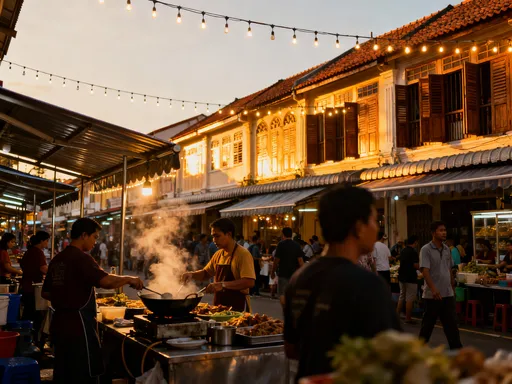
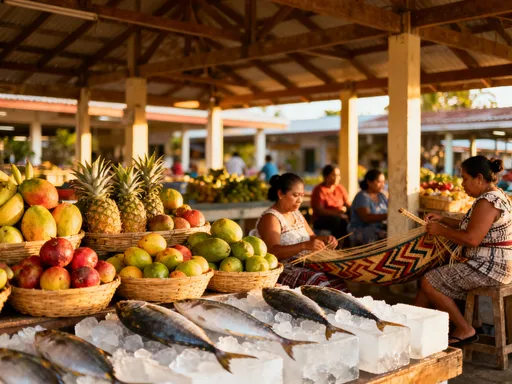
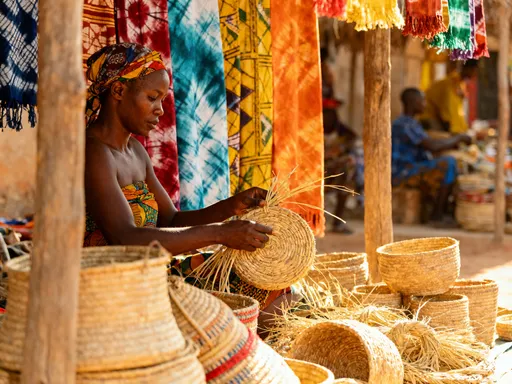
In Algiers, markets are not just places to buy goods—they are spatial experiences shaped by human interaction, movement, and tradition. Unlike enclosed shopping malls, the city’s souks and street markets unfold in open-air corridors, where the act of shopping becomes a sensory journey. The sounds of haggling, the smell of spices, the texture of fabrics, and the sight of stacked produce all contribute to an environment that is as much social as it is commercial.
Neighborhoods like Bab El Oued and Belcourt are known for their vibrant market lanes, where narrow streets transform into bustling corridors of commerce each morning. Vendors set up stalls on sidewalks, hanging clothes, arranging fruits, and displaying household goods in carefully organized displays. The layout is not regulated by grids or zoning laws but by decades of informal practice—each vendor knows their spot, their neighbors, and their regular customers.
These markets function as social architecture, shaping how people move through the city and interact with one another. A shopper doesn’t just walk in, buy, and leave; they greet the vendor, exchange news, maybe share a joke. Transactions are embedded in relationships. A woman buying tomatoes might also receive advice on cooking them, or a man purchasing shoes might be invited for tea at the vendor’s home during Eid. Trust and familiarity are currencies as valuable as money.
The resilience of these market lanes lies in their adaptability. Despite the rise of supermarkets and online shopping, these informal economies persist because they meet real needs—not just for goods, but for connection. They are accessible, affordable, and deeply integrated into daily life. For elderly residents who may not drive or use digital platforms, these markets remain essential.
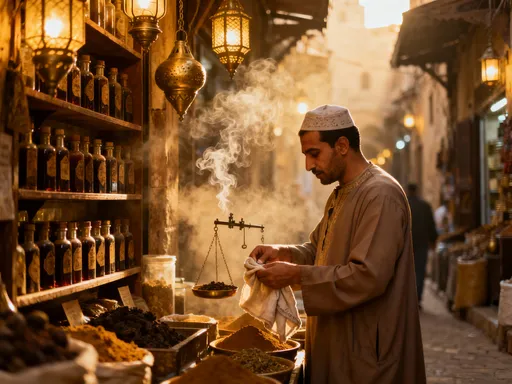
Vendors often come from families that have worked in the same trade for generations. A spice seller might inherit his father’s recipes and customer list; a tailor might use the same sewing machine passed down through decades. This continuity strengthens community identity and preserves local knowledge. The market is not just a place of exchange—it is a living archive of skills, tastes, and traditions.
For the visitor, navigating these lanes requires patience and openness. Prices may not be marked, bargaining is expected, and the pace is slow. But this is where authenticity thrives. A simple question about a product can lead to a conversation about family, history, or favorite dishes. These moments of connection are the heart of the market experience.
Modern Spaces, Local Rhythms
Algiers is not frozen in time. In recent decades, the city has introduced modern infrastructure that reflects its aspirations for the future. The Algiers Metro, inaugurated in 2011, was a landmark achievement, easing congestion and connecting distant neighborhoods. The Grande Poste, restored with meticulous care, stands as a symbol of architectural pride. New administrative buildings, shopping centers, and cultural venues dot the urban landscape, signaling progress and renewal.
Yet what is most fascinating is how these modern spaces are adapted to local rhythms. The metro stations, designed with geometric tiling and efficient layouts, quickly became more than transit points. Commuters linger on platforms, students study between trains, and vendors sell snacks near entrances. The formal design meets informal use, creating hybrid spaces that belong to the people as much as to the planners.
Public plazas around new developments often host spontaneous gatherings. Benches intended for short rests become meeting spots for friends. Wide walkways, meant for smooth pedestrian flow, are used for impromptu games or dance practice. In some cases, traditional activities migrate into modern settings—a tea seller sets up near a government building, or a storyteller finds an audience in a newly paved square.
This reclamation of space is not resistance to modernity; it is an expression of cultural continuity. Algerians do not reject new infrastructure—they reshape it to fit their way of life. A bench is not just a seat; it is a place for conversation. A plaza is not just open space; it is a stage for community. This adaptability ensures that modernization does not erase identity but allows it to evolve.
Architectural intentions often differ from real-world usage, and that is where the soul of the city reveals itself. A building may be designed for efficiency, but it becomes meaningful through human presence. A tram line may be engineered for speed, but its value grows when it connects not just places, but people. In Algiers, the success of modern spaces is measured not by their appearance, but by how they are lived in.
Walking the City: A Traveler’s Guide to Seeing Differently
The best way to understand Algiers is on foot. No vehicle, no guided tour, no app can replicate the intimacy of walking its streets with attention and respect. The city reveals its secrets slowly—to those who climb its stairs, pause in its courtyards, and listen to its rhythms. This is not a city for checklist tourism; it is one for immersive exploration, where the journey matters more than the destination.
Safety is a common concern for visitors, but Algiers is generally safe for travelers who exercise common sense. Stick to populated areas, avoid isolated alleys at night, and dress modestly to show respect for local norms. Women travelers should feel comfortable exploring during daylight hours, especially in markets, parks, and coastal areas. A friendly demeanor, a few words in Arabic or French, and a willingness to smile go a long way in building trust.
Footwear is essential. The city’s hilly terrain demands sturdy, comfortable shoes with good grip. Sandals or dress shoes are ill-suited for the uneven cobblestones and steep staircases. A light backpack with water, a small map, and a notebook is ideal for capturing observations. Avoid large bags or flashy electronics that might draw unwanted attention.
Timing enhances the experience. Mornings are ideal for exploring markets and the Casbah, when vendors are setting up and the light is soft. Late afternoons offer golden-hour views along the coast. Weekends are livelier, but weekdays provide a more authentic sense of daily life. Ramadan, if visited, brings a unique atmosphere—streets are quieter during the day but come alive at iftar, when families gather for evening meals.
Reading the environment is key. Watch how locals move—where they sit, where they shop, where they pause. A cluster of chairs outside a tea stall signals a social hub. A narrow passage with children playing indicates a safe, residential lane. These cues help navigate the city intuitively. Photography should be respectful—ask permission before taking pictures of people, especially in the Casbah or markets.
The goal is not to see everything, but to see deeply. One afternoon spent in a single neighborhood can yield more insight than a rushed tour of ten landmarks. Let curiosity guide you. Follow a scent of grilled meat, listen to a street musician, accept an invitation for tea if offered. These moments of connection are the true rewards of travel.
Algiers reveals itself not in landmarks, but in the in-between—stairs climbed, glances exchanged, breezes caught on hidden benches. Its true spaces aren’t marked on maps, but felt in rhythm and light. To walk this city is to understand urban life as a living conversation. Let your steps be questions, and Algiers will answer quietly, beautifully.