Hidden Rhythms of Dar es Salaam: My Secret Festival Escapes
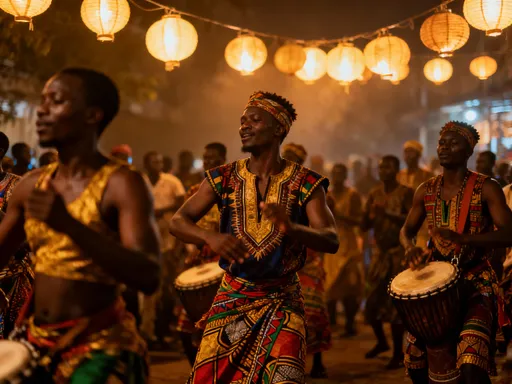
You know that feeling when you stumble on a local secret no tourist blog talks about? I found myself dancing through midnight streets in Dar es Salaam, surrounded by drumbeats and vibrant costumes I never expected. This city’s festival soul isn’t just celebration—it’s raw, authentic energy. Let me take you beyond the guidebooks to the true pulse of Tanzania’s coastal gem, where culture comes alive in ways you’ve never imagined. Here, festivals are not staged performances but living traditions, passed down through generations and pulsing with the heartbeat of everyday life. For travelers seeking depth over spectacle, Dar es Salaam offers rare access to moments where community, history, and joy intersect in unforgettable harmony.
The Pulse Beneath the Surface: Why Festivals Define Dar es Salaam
Festivals in Dar es Salaam are far more than colorful displays—they are vital threads woven into the social fabric of urban Tanzanian life. These celebrations reflect centuries-old traditions shaped by Swahili heritage, Islamic influences, agricultural cycles, and colonial history, all converging in a modern, fast-growing city. Unlike static museum exhibits or curated heritage sites, festivals here are dynamic expressions of identity, resilience, and collective memory. They mark time not by calendars alone but by rhythms of planting, harvest, faith, and renewal. For residents, attending a neighborhood festival is as natural as gathering for a family meal; for visitors, it can be a doorway into a deeper understanding of Tanzanian values.
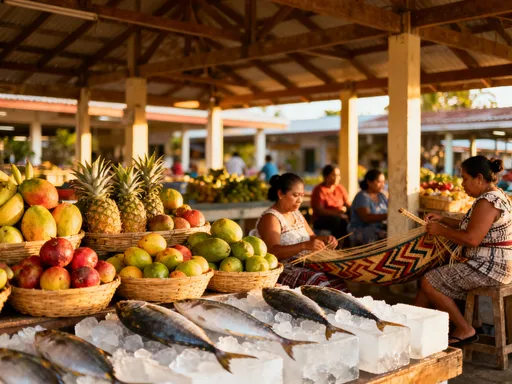
Yet most international travelers miss these experiences entirely. Guidebooks often highlight safaris, Zanzibar beaches, or Mount Kilimanjaro, leaving Dar es Salaam dismissed as merely a transit hub. As a result, the city’s rich cultural calendar remains under the radar. But this is slowly changing. A growing number of conscious travelers—especially women between 30 and 55 who value meaningful connection and personal growth—are seeking experiences that go beyond sightseeing. They want to witness life as it unfolds, not as it’s packaged. Festivals offer exactly that: unfiltered access to local rhythms, where laughter echoes in alleyways, elders share stories under mango trees, and children parade in handmade masks.
What sets these events apart from typical tourist attractions is their authenticity. While a staged dance performance might entertain, participating in a community-led street procession fosters empathy and connection. Imagine walking alongside families during Eid al-Fitr, sharing sweet coconut cakes, or joining a spontaneous drum circle after a harvest celebration. These moments create lasting emotional imprints because they are shared, not observed. The shift from spectator to participant transforms travel from passive consumption to active engagement. In Dar es Salaam, festivals aren’t spectacles—they’re invitations.
Mwaka Kogwa: A Zanzibari Tradition with Mainland Roots
One of the most captivating yet little-known celebrations near Dar es Salaam is Mwaka Kogwa, a Swahili New Year festival with deep roots in Zanzibar but quietly observed in coastal communities around the mainland. While tourists flock to Stone Town for its more publicized version, smaller, intimate observances take place in villages just outside Dar, such as Msasani Peninsula and Kunduchi. This mid-July event blends Islamic, African, and Persian influences, reflecting the diverse cultural currents that have shaped the Swahili Coast over centuries. It marks the end of the lunar calendar year and serves as a time for cleansing, reconciliation, and renewal—values that resonate deeply with families and communities alike.
The heart of Mwaka Kogwa lies in its symbolic rituals. One of the most striking is the mock fighting between young men, performed not out of anger but as a way to release tensions and purify the community. Using banana stems instead of weapons, participants engage in playful combat under the watchful eyes of elders, who ensure the tradition remains respectful and safe. This act symbolizes the resolution of conflicts and the opportunity to start anew. Later, fire jumping takes place—another ritual meant to cleanse misfortune and invite blessings for the coming year. As flames rise, participants leap over them with laughter and determination, their shadows dancing on the sand.
Communal feasting follows, with dishes like pilau rice, octopus curry, and mango sticky cakes shared among neighbors regardless of background. Ancestral acknowledgments are woven throughout the day, with prayers offered at family gravesites and stories told of those who came before. What makes this festival especially meaningful is its emphasis on unity and healing. In an era where stress and disconnection are common, especially for busy mothers and caregivers, Mwaka Kogwa offers a powerful reminder of the importance of forgiveness, community, and fresh beginnings. Though urbanization has altered some aspects—fewer people now observe it formally in the city center—its spirit endures in family compounds and village squares where tradition thrives.
The Coastal Drum Circles: Where Music Never Sleeps
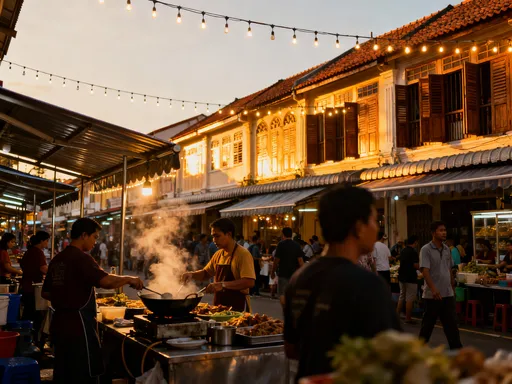
In the warm, humid nights of Dar es Salaam, when the call to prayer fades and the city settles into a gentle hum, something magical begins. In neighborhoods like Kariakoo, Manzese, and Temeke, drum circles emerge spontaneously during festivals tied to Eid, harvest seasons, or religious commemorations. These are not performances for tourists but organic gatherings where music becomes a language of belonging. The deep, resonant beats of ngoma drums blend with the melodic strings of taarab ensembles, creating a soundscape that pulses through the streets like a living current. Women sway in brightly colored kanga wraps, children clap along, and elders nod in time—each person connected by rhythm.
Taarab, a genre blending Arabic, Indian, and African musical traditions, plays a central role in these celebrations. Originating along the Swahili Coast, it features poetic lyrics sung in Kiswahili, often about love, faith, or social harmony. When performed during festivals, taarab isn’t just entertainment—it’s a form of storytelling and emotional expression. Similarly, ngoma drumming carries spiritual significance, believed to communicate with ancestors and summon communal strength. Together, these musical forms bridge ethnic divides, bringing together people from Chagga, Sukuma, Nyamwezi, and other groups who now call Dar es Salaam home. In a city of over six million, such moments of unity are precious.
For visitors, attending a drum circle can be a profound experience—if done respectfully. The best approach is to arrive late in the evening, after prayers and family meals, when the energy builds naturally. Dress modestly in lightweight cotton clothing, covering shoulders and knees, and avoid flashy accessories. Observe first before joining; nodding with the rhythm shows appreciation without intrusion. If invited to dance or clap, accept with gratitude. Photography should be discreet and only taken with permission, especially of children and elders. These gatherings are not shows—they are sacred social spaces. By honoring local etiquette, travelers become welcomed guests rather than outsiders looking in.
How to Find the Real Festivals (Not the Tourist Shows)
Discovering authentic festivals in Dar es Salaam requires patience, curiosity, and a willingness to step off the predictable path. Unlike destinations with fixed event calendars, much of the city’s cultural life unfolds organically, shared through word of mouth rather than online listings. There is no single website or app that reliably captures neighborhood celebrations, which means the most effective strategy is human connection. Begin by building rapport with local shopkeepers, taxi drivers, or guesthouse hosts. A simple question like “What special events are happening this month?” can open unexpected doors. Often, they’ll mention a nearby street festival, a family naming ceremony opening to the public, or a religious observance with public dancing.
Community boards outside markets, mosques, and schools also provide clues. Handwritten notices in Kiswahili announce dates for weddings, religious holidays, and cultural performances. Even if you don’t read the language fluently, asking someone to translate can lead to invitations. Another key is timing your visit with lunar or agricultural cycles. Eid celebrations, Ramadan, Mwaka Kogwa, and harvest festivals all follow non-Gregorian calendars, meaning their dates shift annually. Planning your trip around July to September increases your chances of encountering multiple events, as this period includes both Eid al-Adha and the coastal harvest season.
Flexibility is essential. Unlike rigid tour itineraries, real cultural moments cannot be scheduled down to the minute. A festival might start late, change location, or be postponed due to weather or family needs. Embracing this fluidity is part of the experience. It teaches presence, adaptability, and trust—qualities many women in their 30s to 50s value as they navigate complex lives at home. By letting go of control and allowing the city to guide you, you may find yourself welcomed into a backyard celebration with handmade decorations, home-cooked food, and songs passed down for generations. These are the moments that stay with you long after the trip ends.
Be cautious of commercialized performances marketed as “cultural shows.” Some hotels and tour operators offer staged dances with flashy costumes and short runtimes designed for tourist attention spans. While not inherently harmful, these lack the depth and emotional resonance of genuine community events. Look instead for gatherings where locals outnumber visitors, where food is shared freely, and where participation is encouraged. Authenticity reveals itself in spontaneity, inclusivity, and heartfelt expression—not in choreography or ticket prices.
A Day at the Bagamoyo Arts Festival: Creativity on Full Display
Just 75 kilometers north of Dar es Salaam lies the historic town of Bagamoyo, home to one of East Africa’s most vibrant cultural events—the annual Bagamoyo Arts Festival. Held each November, this week-long celebration draws artists, musicians, dancers, and storytellers from across Tanzania and beyond. Though technically outside the city, it remains deeply connected to Dar’s creative pulse, attracting thousands of local families who travel by bus or dala-dala (minibus) for a day of inspiration and joy. For travelers seeking authentic artistic expression, this festival offers a rare window into grassroots creativity thriving beyond commercial galleries and international stages.
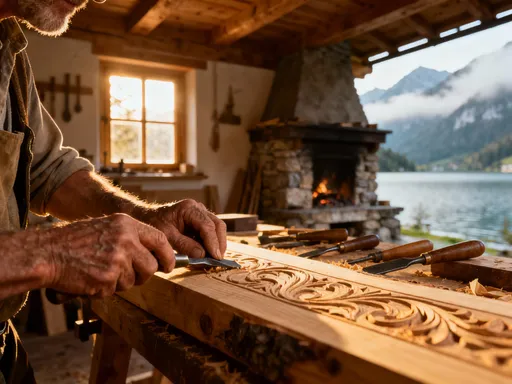
Picture this: traditional dancers in raffia skirts whirl to polyrhythmic drumming along cobblestone streets once walked by porters and missionaries. Sculptors carve intricate figures from ebony and soapstone in open-air workshops. Storytellers gather children beneath acacia trees, recounting folktales of clever animals and wise elders. Along the beachfront, film screenings project documentaries on Swahili poetry and environmental conservation, while youth theater groups perform original plays in Kiswahili and English. Every corner of the old town becomes a stage, gallery, or classroom, transforming Bagamoyo into a living museum of contemporary African art.
What makes this festival special is its accessibility and community focus. Admission is either free or low-cost, ensuring that local families can attend without financial strain. Artists are paid fairly, and proceeds support cultural preservation projects, including youth mentorship and heritage restoration. By attending, visitors contribute directly to sustainable cultural tourism—tourism that empowers rather than exploits. Many participants are women artists who use their work to explore themes of motherhood, resilience, and identity, creating a deeply relatable experience for adult female audiences. Whether watching a mask-making demonstration or learning a traditional dance step, you’re not just observing culture—you’re supporting its continuation.
Practical Magic: Getting There, Staying Safe, and Respecting Traditions
Planning a trip to experience Dar es Salaam’s hidden festivals requires thoughtful preparation, but the rewards far outweigh the effort. The city is served by Julius Nyerere International Airport, with direct flights from major African hubs and select international carriers. From the airport, taxis and pre-arranged transfers provide safe access to accommodations. For those attending events in surrounding areas like Bagamoyo or coastal villages, hiring a reputable driver or joining a small-group cultural tour ensures reliable transportation without the stress of navigating unfamiliar roads.
When choosing where to stay, consider neighborhoods like Oyster Bay, Mikocheni, or Masaki, which offer comfortable guesthouses and easy access to both city life and coastal excursions. These areas are known for their safety, cleanliness, and proximity to local markets where you can interact with residents. Avoid isolated or poorly lit areas at night, and always keep valuables secure. While Dar es Salaam is generally welcoming, exercising basic awareness—such as avoiding flashy jewelry and keeping phones out of sight—helps ensure a smooth experience.
Timing is crucial. The best months to visit are June through October, when rainfall is minimal and temperatures are more comfortable. This period also aligns with key festivals, including Eid al-Adha, harvest celebrations, and the lead-up to Mwaka Kogwa. Booking accommodations early is advisable, as local families often travel during these times, increasing demand.
Cultural sensitivity is just as important as logistical planning. Dress modestly, especially when attending religious or family-centered events. Women should wear loose-fitting clothing that covers shoulders and knees; kanga or kikoi wraps are both practical and appreciated. Always ask before taking photographs, particularly of individuals or sacred rituals. Refrain from interrupting ceremonies or treating people as photo subjects. Instead, focus on building rapport—smile, greet in Kiswahili (a simple “Jambo” or “Habari yako?” goes far), and accept offers of tea or snacks with gratitude. These small gestures build trust and open doors to deeper experiences.
Safety concerns should be addressed calmly and realistically. Like any large city, Dar es Salaam has areas that require caution, but most tourist-friendly zones are secure, especially during daytime and community events. Stick to well-traveled routes, avoid walking alone at night, and rely on trusted transportation. Most importantly, listen to local advice. Residents are often eager to help visitors enjoy their time safely and meaningfully. Their guidance—whether about road conditions, weather, or event timing—is invaluable.
Why These Moments Change Travelers Forever
The women who seek out Dar es Salaam’s hidden festivals often do so not for adventure alone, but for transformation. In the drum circles, street processions, and shared meals, they find something rare: a sense of belonging in a foreign place. These experiences shift perspectives, softening the boundaries between “us” and “them,” reminding us that joy, grief, celebration, and hope are universal languages. A mother watching a grandmother teach her granddaughter a traditional dance sees echoes of her own family. A woman tasting coconut rice at a roadside feast remembers meals shared with loved ones back home. These connections, though fleeting, leave lasting impressions.
More than sightseeing, immersive cultural travel fosters empathy. It moves us from observing to understanding, from collecting photos to collecting memories rooted in human connection. In a world that often feels fragmented, these moments restore a sense of shared humanity. They remind us that traditions endure not in isolation but through participation—that culture is not a relic but a living, breathing force shaped by those who honor it.
Responsible tourism begins with humility. It means showing up not as a consumer but as a guest, willing to learn, wait, and listen. It means embracing uncertainty—the festival that starts late, the dance you don’t know, the language you can’t speak. In that vulnerability lies growth. For women navigating roles as mothers, professionals, caregivers, and seekers, such journeys offer renewal. They prove that it’s never too late to learn, to connect, to feel alive.
So let the rhythms of Dar es Salaam guide you. Let the drums pull you into the night, the stories warm your heart, and the community embrace you as one of their own. Seek not perfection, but authenticity. Let go of the need to capture every moment and instead allow yourself to be present. Because the true magic of travel isn’t in the places we see—it’s in the moments that change us from within. Let your next journey be one of depth, connection, and soulful discovery. The hidden festivals are waiting.