Sapporo Unhurried: Where Culture Breathes in Every Moment
Imagine strolling through a city where snow-dusted streets meet centuries-old traditions, and every corner tells a story. Sapporo isn’t just Japan’s northern gem—it’s a place to slow down, connect, and truly feel culture in motion. From quiet temple grounds to bustling markets alive with flavor, this is travel that feeds the soul. The rhythm here is different: measured, intentional, and deeply human. In a world that often equates travel with speed, Sapporo invites you to pause, breathe, and let the moment unfold. This is not a city to be conquered in a day, but one to be lived in, even if only for a few days. Let me take you through the quiet magic of a journey done right.
Why Slow Travel Fits Sapporo Perfectly
Sapporo, the capital of Hokkaido, stands apart from Japan’s more frenetic urban centers. While Tokyo pulses with energy and Kyoto draws crowds eager to check off historical sites, Sapporo unfolds at a pace that feels both refreshing and authentic. It is a city shaped by seasons—harsh winters that demand resilience, lush summers that invite outdoor living, and crisp transitions in spring and autumn that inspire reflection. This natural rhythm is mirrored in the way people live, move, and interact. Rushing through Sapporo would be like skimming the surface of a deep, clear lake: you’d see the light, but miss the life beneath.
Slow travel is not merely a trend; it is a philosophy rooted in presence, connection, and respect. In Sapporo, this approach reveals layers often hidden to the hurried visitor. The city’s layout encourages walking, with wide avenues, well-maintained sidewalks, and green spaces woven into the urban fabric. Locals speak with calm deliberation, and service in shops and restaurants is attentive without being intrusive. There is no pressure to perform or keep up. This atmosphere creates space—for observation, for conversation, for unexpected encounters that become the heart of a trip.
Moreover, Sapporo’s cultural identity is not loud or performative. It does not rely on grand monuments or orchestrated experiences. Instead, it lives in the quiet moments: a vendor arranging fresh produce with care, a couple sharing a bench in Odori Park, the soft chime of a temple bell carried on the wind. To experience these moments, one must be still enough to notice them. Traveling slowly allows for this kind of awareness. It shifts the focus from accumulation—how many sights can I see?—to absorption—what can I learn from being here, right now?
The benefits of unhurried exploration are both emotional and practical. Emotionally, it reduces travel fatigue and fosters a sense of belonging. Practically, it opens doors to deeper understanding. When you linger in a neighborhood, return to the same café, or strike up a conversation with a shopkeeper over several days, you begin to see patterns, hear stories, and gain insight into local values. In Sapporo, where community and seasonality are central to daily life, this kind of engagement is especially rewarding. Rushing means missing the heartbeat of the city.
Arrival and First Impressions: A City That Doesn’t Rush You
Stepping off the train at Sapporo Station or arriving by air from Tokyo or Osaka, visitors are immediately met with a sense of order and calm. Unlike the overwhelming sensory surge of larger cities, Sapporo greets you with clarity—clean lines, open spaces, and a skyline that rises gently against the horizon. The air feels crisp, even in summer, carrying a faint hint of pine and distant sea. There is no jostling, no urgency in the way people move. Instead, there is a quiet efficiency, a sense that everyone knows where they are going and has time to get there.
The city’s public transportation system reinforces this feeling. The Sapporo Municipal Subway is modern, punctual, and easy to navigate, with clear signage in both Japanese and English. Three main lines—Namboku, Tozai, and Toho—connect key districts without the congestion seen in other major Japanese cities. Stations are spacious and well-lit, with helpful staff and automated guidance systems. For those who prefer to walk, downtown Sapporo is highly accessible, with underground pedestrian passages that link shopping areas, hotels, and transit points—especially useful during the winter months when snow blankets the streets.
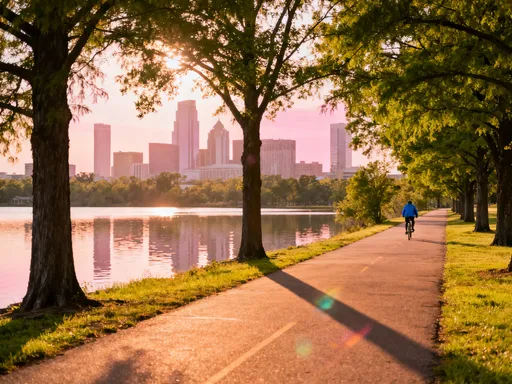
One of the first sights many visitors encounter is Odori Park, a long green ribbon stretching across the city center. Whether dusted with snow in February or blooming with flowers in June, the park serves as a visual and emotional anchor. It is not a place to rush through, but to move within—slowly, deliberately. Couples stroll hand in hand, joggers move in steady rhythm, and office workers pause on benches with steaming cups of tea. This is the city’s pulse: not frantic, but steady and inclusive.
The architecture of Sapporo adds to its welcoming character. Designed in a grid pattern after the Meiji Restoration, the city combines Western-style boulevards with Japanese sensibilities of balance and function. Buildings are generally low to mid-rise, allowing sunlight to reach the streets and preserving sightlines to the surrounding hills. Even in the busiest districts, there is a sense of openness. This spatial generosity reflects a cultural value—respect for personal space and collective well-being—that shapes the traveler’s experience from the very first moment.
Morning Rituals at Nijo Market: Taste Is Memory
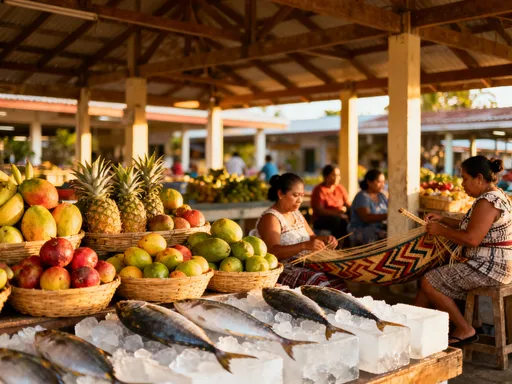
No visit to Sapporo is complete without an early morning at Nijo Market, a vibrant hub of local life and culinary tradition. Open since the early 20th century, this covered market has evolved from a wholesale fish market into a beloved destination for residents and visitors alike. It is not a tourist spectacle, but a working marketplace where generations of vendors continue family businesses, passing down recipes, techniques, and relationships. To walk through Nijo is to step into the living memory of Hokkaido’s food culture.
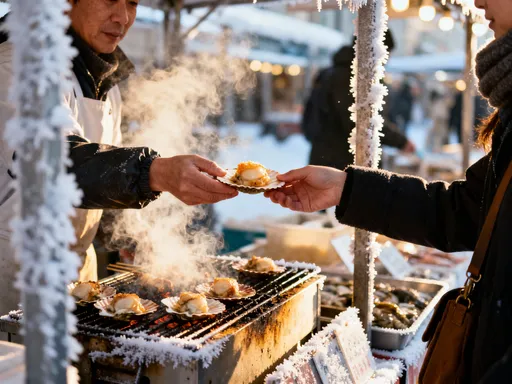
The sensory experience begins at the entrance: the briny scent of the sea, the smoky char of grilling seafood, the sweet tang of fresh fruit. Stalls overflow with glistening scallops, plump crab, buttery sea urchin, and Hokkaido’s famous salmon roe. Vendors call out greetings, not sales pitches, their voices warm and familiar. Many have served the same customers for decades. There is a rhythm to the morning—a dance of preparation, exchange, and shared enjoyment—that unfolds with quiet pride.
Breakfast at Nijo is more than a meal; it is a ritual. Locals gather at tiny counters tucked between stalls, sipping miso soup, nibbling on grilled squid, or enjoying a bowl of steaming kaisendon—a seafood rice bowl that showcases the day’s freshest catch. These moments of shared nourishment are intimate and revealing. A woman in a wool coat laughs with the octopus vendor as he hands her a sample. A fisherman in rubber boots pauses to chat with the owner of a pickled vegetable stand. These interactions are not performed for tourists—they are the fabric of daily life.
For the traveler, participating in this rhythm requires nothing more than presence and respect. Order a simple dish, eat slowly, and observe. Smile when greeted. Ask a question in halting Japanese, and you’ll likely be met with patient encouragement. These small gestures open doors. One might learn how scallops are harvested from the Sea of Japan, why certain fish are seasonal, or which stall makes the best tamagoyaki (sweet rolled omelet). These are not facts found in guidebooks, but wisdom passed through lived experience.
The Living Heritage of Hokkaido: Museum Without Walls
Sapporo’s cultural identity is shaped by two powerful currents: the indigenous Ainu people and the Meiji-era settlers who developed Hokkaido in the late 19th century. Unlike other parts of Japan where history feels preserved behind glass, in Sapporo, heritage is woven into the everyday. It is not confined to museums, though they exist, but lives in language, food, design, and landscape. To understand the city is to recognize these dual roots and the quiet ways they continue to shape life today.
The Ainu, the original inhabitants of Hokkaido, have a deep spiritual connection to nature, expressed through oral traditions, woodcarving, and textiles. Their influence is visible in place names—Sapporo itself derives from the Ainu phrase *sat poro pet*, meaning “dry, great river”—and in the reverence for natural elements seen throughout the region. While historical assimilation policies suppressed Ainu culture for much of the 20th century, recent decades have brought renewed recognition. In 2019, the Japanese government officially recognized the Ainu as an indigenous people, marking a turning point in cultural preservation.
Visitors can engage with Ainu heritage at the Hokkaido Museum in Sapporo, where exhibits include traditional clothing, tools, and ceremonial objects. More intimate experiences await at smaller cultural centers and craft shops, where artisans demonstrate woodcarving or embroidery. These are not performances for tourists, but acts of cultural continuity. The patterns on a ramie cloth, the curve of a carved bear figurine—each carries meaning passed down through generations.
At the same time, Sapporo’s development as a modern city began with the Meiji government’s push to settle and industrialize Hokkaido. German architects helped design the city’s early infrastructure, giving it a distinctive blend of Eastern and Western influences. Sapporo Clock Tower, one of the city’s oldest buildings, stands as a symbol of this era—a reminder of the ambition and vision that shaped the region. Yet, even here, the past is not frozen. The tower is not a distant monument, but a living part of the city, surrounded by parks and pedestrian paths where children play and couples walk.
This coexistence of histories—Ainu and settler, ancient and modern—is what makes Sapporo’s cultural landscape so rich. It is not about choosing one over the other, but seeing how they inform each other. A bowl of soup may contain ingredients known to the Ainu for centuries, prepared in a kitchen built during the Meiji era, eaten in a café designed with Scandinavian minimalism. Culture, in Sapporo, is not static. It breathes.
Green Spaces as Cultural Canvas: Odori Park and Moerenuma Park
In Sapporo, nature is not an escape from the city—it is part of its design. Two parks, Odori and Moerenuma, exemplify this integration, offering not just recreation, but reflection. They are spaces where Japanese aesthetics—harmony, impermanence, and intention—come to life in landscape form. To walk through them is to experience culture not as an exhibit, but as an environment.
Odori Park, stretching over a kilometer through the heart of downtown, transforms with the seasons. In winter, it becomes the site of the world-famous Sapporo Snow Festival, where massive ice sculptures rise like palaces under cold blue skies. In summer, it hosts flower festivals, open-air concerts, and food stalls, drawing locals and visitors into shared celebration. But even in between these events, the park serves as a communal living room. Office workers nap on benches during lunch breaks, families fly kites on weekends, and elderly couples walk hand in hand beneath ginkgo trees. The park does not demand attention; it offers presence.
Just a short subway ride away lies Moerenuma Park, a masterpiece of landscape design by artist Isamu Noguchi. Conceived in the 1980s and completed after his death, the park is not a traditional green space, but a sculptural environment. Rolling hills, geometric glass pyramids, and reflective pools are arranged with precision, inviting movement and contemplation. Paths curve deliberately, leading visitors from open fields to quiet groves. At the center stands *Mount Moere*, a man-made hill offering panoramic views of the city and surrounding mountains.
Noguchi described the park as a “single work of sculpture,” and in it, one sees his belief in the unity of art and life. There are no fences, no rigid rules—just space to wander, sit, and think. Children climb on abstract sculptures, couples picnic near fountains, and photographers capture the play of light on water. The park does not overwhelm; it invites participation. In this way, it embodies a core Japanese value: the beauty of transience and the importance of being in the moment.
Both parks reflect a cultural attitude toward nature—not as something to be conquered or exploited, but as a partner in daily life. They are maintained with care, not perfection. Leaves are left to fall, snow is allowed to accumulate, and plants grow in natural patterns. This acceptance of change, of imperfection, is central to the Japanese concept of *wabi-sabi*. In a world that often seeks control, these spaces offer a different lesson: that beauty lies in the fleeting, the quiet, the unforced.
Craft and Community: From Sake Breweries to Local Workshops
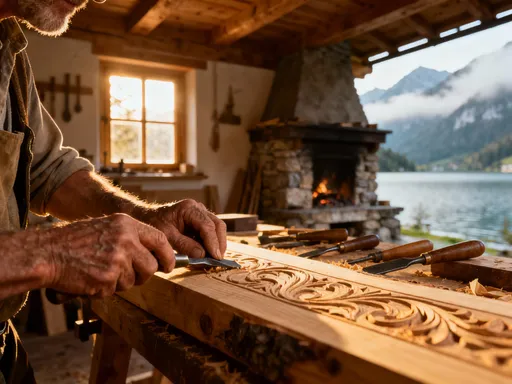
Sapporo’s creative spirit thrives in its small-scale workshops and artisanal spaces, where tradition is not preserved, but practiced. Unlike mass-produced souvenirs, the crafts found here are born of patience, skill, and a deep connection to place. From sake breweries using Hokkaido rice and pure mountain water to glassblowers shaping molten sand into delicate forms, these are places where time slows and attention sharpens.
A visit to a local sake brewery offers more than a tasting—it offers a story. Hokkaido’s cold climate and clean water create ideal conditions for brewing crisp, clean sake. At small producers like Fukucho or Sapporo Beer’s historic brewery, visitors can see the fermentation process, learn about rice polishing, and meet the brewers who dedicate years to mastering their craft. These are not factory tours, but conversations. A brewer might explain how temperature affects flavor, or how the seasons dictate the brewing calendar. To drink the sake is to taste the land and the labor behind it.
Similarly, glassblowing studios in the city’s arts districts showcase a blend of tradition and innovation. In the quiet glow of a furnace, artisans shape glowing orbs into vases, cups, and ornaments. Each piece is unique, bearing the subtle imperfections that mark human touch. Some studios offer short workshops where visitors can try their hand under guidance—blowing a small paperweight or shaping a pendant. These experiences are not about mastery, but about connection. They remind us that creation is a process, not a product.
Tea houses and pottery studios offer parallel insights. In a quiet room overlooking a garden, one might participate in a tea ceremony led by a practitioner who speaks softly of mindfulness and respect. The movements are precise, the silence meaningful. Or in a pottery workshop, hands shape wet clay on a wheel, guided by a master who emphasizes patience over perfection. These moments—fleeting, focused—become anchors in the journey.
For travelers, engaging with craft is a way to honor the culture, not just observe it. It requires humility, presence, and a willingness to listen. It means resisting the urge to rush, to photograph, to consume. Instead, it invites participation—slow, respectful, and heartfelt. In doing so, one carries home not just an object, but a memory of making, of being, of belonging.
Evening in Susukino: Not Just Neon—Night With Soul
Susukino, Sapporo’s entertainment district, is often misunderstood. To some, it is a maze of neon and noise, a place of fleeting pleasures. But beneath the bright lights lies a quieter, more enduring truth. This is a neighborhood of community, of long-standing relationships, of shared history. To experience Susukino after dark is to see how a city nurtures connection, even in its busiest corners.
Wander beyond the main streets, and you’ll find izakayas—Japanese pubs—where wooden counters are worn smooth by decades of use. These are not tourist traps, but neighborhood institutions. Regulars greet owners by name, order the same dishes, and linger over glasses of beer or sake. Some izakayas specialize in local flavors: grilled lamb (*Jingisukan*), fresh seafood, or miso ramen, Hokkaido’s rich, hearty noodle soup. The food is simple, honest, and deeply satisfying.
Up narrow staircases, jazz bars hum with the sound of live piano or saxophone. These intimate venues, often seating fewer than thirty, host musicians who play not for fame, but for love. Patrons listen quietly, sipping highballs, lost in the music. There is no pressure to perform, no need to be seen. This is nightlife as sanctuary—a place to unwind, reflect, and reconnect.
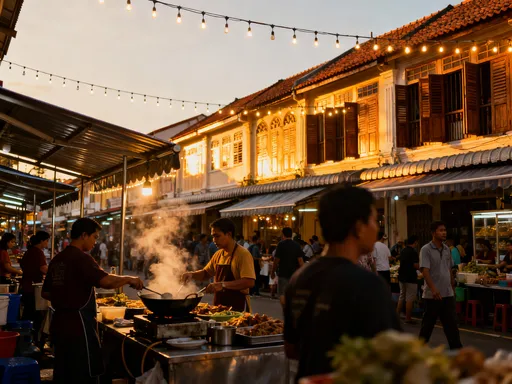
Night markets, too, offer a different rhythm. Stalls line side streets, serving steaming bowls of soup, grilled corn, and sweet red bean buns. Families, couples, and solo diners gather at folding tables, sharing food and conversation. The air is thick with warmth and laughter. These are not staged experiences, but real moments of urban life.
To walk through Susukino at night is to see the city’s soul in motion. It is not about excess, but about belonging. The lights are bright, yes, but they illuminate connection. They guide people home—to friends, to food, to the quiet joy of being together. In this, Susukino reveals what all great cities know: that even in the dark, there is warmth.
Closing Thoughts: Carrying Sapporo’s Pace Beyond the Trip
Leaving Sapporo, one does not simply return home—one carries something with them. It is not just photographs or souvenirs, but a shift in rhythm. The city’s unhurried way of being lingers: in the memory of a quiet market, a shared meal, a walk through snow-covered parklands. It whispers a different way to travel—one not measured in sights checked off, but in moments truly felt.
Sapporo teaches that culture is not something to be consumed, but to be experienced. It lives in the spaces between, in the pauses, in the willingness to stay a little longer, to listen a little deeper. It asks us to slow down, not out of laziness, but out of respect—for the place, for the people, for the self.
And perhaps that is the greatest gift of all. In a world that glorifies speed, Sapporo reminds us that depth requires time. To truly know a place, we must allow it to know us. We must be present. We must breathe with it.
So let this journey inspire more than a return ticket. Let it inspire a different way of moving through the world. Seek not the crowded landmarks, but the quiet corners. Not the perfect photo, but the shared smile. Not the rush, but the rhythm. In Sapporo, culture breathes in every moment. And if we listen closely, we might just learn to breathe with it.