Beyond the Blue: Unseen Faces of Palau’s Urban Soul
You know that feeling when you fly into a place everyone calls “paradise” and expect only beaches? Palau shocked me. Beneath its famous turquoise waters lies a quiet, resilient urban rhythm—colorful streets, local markets, and community life that most travelers never notice. This isn’t just a dive destination. It’s a living island nation with a capital that pulses gently, proudly. Let me show you the Palau no one talks about—but absolutely should.
Koror: Not Just a Transit Stop
Koror, though not the official capital—Ngerulmud holds that title—functions as Palau’s de facto urban center. Tucked between lush hills and shimmering lagoons, this small city hums with understated vitality. Its streets are narrow and walkable, lined with pastel-painted buildings, open-air storefronts, and the occasional palm tree leaning over the sidewalk like a curious observer. Most travelers pass through quickly, eyes fixed on dive boats or island-hopping tours, but those who pause discover a different kind of island magic: one rooted in daily life rather than postcard views.
What makes Koror special is its balance. It offers modern conveniences—a post office, banks, pharmacies, and modest supermarkets—without sacrificing warmth or authenticity. You’ll find locals sipping coffee at roadside kiosks in the early hours, children walking home from school in crisp uniforms, and elders chatting on shaded porches. Family-run shops sell everything from flip-flops to dried fish, their owners greeting regulars by name. This personal touch is rare in larger tourist hubs, but in Koror, it’s the norm.
The city’s architecture tells a story of adaptation. After World War II, much of Koror was rebuilt, and today’s buildings reflect both necessity and cultural preference. Low-rise structures dominate, with wide eaves and open windows designed to catch sea breezes and reduce reliance on air conditioning. You won’t find skyscrapers or sprawling malls, and that’s by design. Palauans value space, nature, and simplicity, and their urban environment reflects that ethos.
Slowing down in Koror isn’t just pleasant—it’s transformative. When you step off the tourist track, even briefly, you begin to understand Palau not as a destination but as a home. Locals appreciate visitors who show genuine interest in their lives. A simple smile, a polite greeting in Palauan—"Ketak?" (How are you?)—can open doors to conversation and connection. For travelers seeking depth over dazzle, Koror offers a quiet invitation to belong, even if just for a day.
The Pulse of Market Life
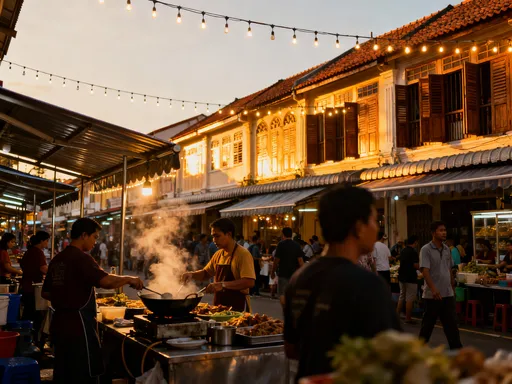
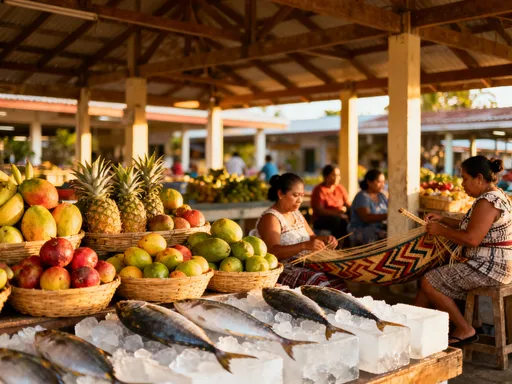
At the heart of Koror’s daily rhythm is the Palau Public Market, a vibrant hub where community, culture, and cuisine converge. Open every morning, the market is a symphony of colors, scents, and sounds. Fishermen lay out their morning catch—glistening snapper, mahi-mahi, and reef fish—on crushed ice, while women arrange baskets of taro, breadfruit, and bananas. The air carries the tang of salt, the sweetness of ripe mango, and the earthy aroma of just-harvested vegetables.
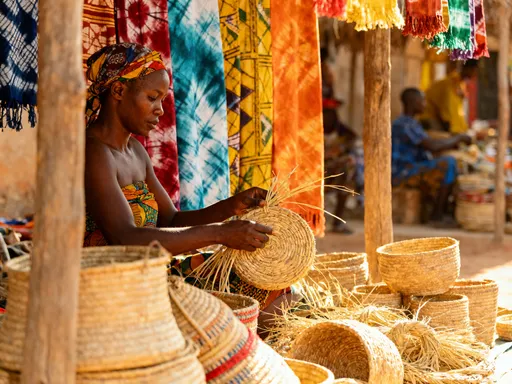
But this is more than a place to buy food. The market is a social institution, a place where news is shared, families meet, and traditions are quietly upheld. Elderly women sit on low stools weaving traditional mats from pandanus leaves, their hands moving with practiced ease. These mats, known as beluu, are more than crafts—they’re symbols of heritage, often used in ceremonies and given as gifts during important life events.
Visitors are welcome, but respect is essential. Palauans are generally warm and patient with tourists, but they appreciate those who observe quietly before engaging. A good rule of thumb is to ask before taking photos, especially of people. When in doubt, a friendly nod or a soft-spoken "Mesengei er a beluu" (Thank you for the mat) goes a long way.
For food lovers, the market offers a chance to taste real Palauan cuisine. Look for kelaguen, a dish made with minced meat or seafood, lemon juice, coconut, and chili. It’s often served with taro or rice and reflects the island’s blend of Micronesian and colonial influences. Fresh coconuts are sold by the glass, their water sweet and cooling in the tropical heat. Vendors may offer samples with a smile—accepting graciously is part of the experience.
The best time to visit is between 7:00 and 9:00 a.m., when the market is busiest and the produce is freshest. By midday, many stalls begin to close. While bargaining isn’t common, polite haggling is sometimes accepted for non-food items like crafts. Still, the true value of the market isn’t in what you buy, but in what you witness: the steady pulse of island life, unfiltered and unhurried.
Urban Design with an Island Identity
Palau’s urban spaces are shaped by more than aesthetics—they’re a response to geography, climate, and culture. In Koror, buildings rarely rise above three stories, a practical choice that reduces wind resistance during typhoons and keeps the skyline open to the sky and sea. This low-rise character gives the city a human scale, making it feel accessible and intimate rather than imposing.
Architecture here favors function and airflow. Open-air designs are common, with latticework walls, high ceilings, and wide overhangs that provide shade and encourage natural ventilation. These features aren’t just nostalgic nods to tradition—they’re smart adaptations to a hot, humid climate. Air conditioning is used sparingly, both to save energy and to stay connected to the outdoors, a value deeply embedded in Palauan life.
Green spaces are woven into the urban fabric. Even in the busiest parts of Koror, you’ll find trees shading sidewalks, gardens tucked beside buildings, and public parks where families gather in the evenings. The city’s planners have long understood that nature isn’t something to be conquered but integrated. This philosophy extends to stormwater management, where permeable surfaces and natural drainage systems help mitigate flooding during heavy rains.
Sea-level rise and climate change are real concerns for Palau, a nation of low-lying islands. In response, infrastructure projects prioritize resilience. Coastal roads are elevated where possible, and new construction follows strict environmental guidelines. These efforts reflect a broader national ethic: development must serve the people without harming the land or sea. In a world where cities often grow at nature’s expense, Palau offers a quiet counterpoint—a model of harmony rather than conquest.
The result is a city that feels orderly without being sterile, modern without being impersonal. There’s no urban sprawl, no traffic jams, no sense of chaos. Instead, Koror moves at a pace that allows for conversation, for observation, for breathing. It’s a reminder that urban life doesn’t have to mean noise and rush—it can mean community and calm.
On the Move: How Locals Navigate the City
Getting around Koror is refreshingly simple. The city is compact—just a few square miles—so walking is not only possible but pleasant. Sidewalks are uneven in places, but the pace of life is slow enough that pedestrians are always given space. You’ll see locals walking to work, to church, or to the market, often carrying bags or children. There’s no rush, no jostling—just a steady, unhurried flow.
Biking is another popular option, especially in the early morning or late afternoon when the sun is gentler. While dedicated bike lanes are limited, traffic is light, and drivers are generally respectful of cyclists. Rental bikes are available in some guesthouses, and riding along the coast offers quiet views of the water and passing boats. It’s a peaceful way to see the city, one pedal stroke at a time.
For longer distances, public transportation comes in the form of shared vans known locally as “buses,” though they operate more like informal shuttles. They follow rough routes between Koror, Airai, and other nearby areas, stopping wherever passengers need to get on or off. Fares are modest, and the vans are often filled with friendly chatter. While schedules are flexible—some might say nonexistent—the system works because everyone knows everyone, and patience is part of the culture.
Rental cars offer the most freedom, especially for visitors who want to explore beyond Koror. Roads are paved but narrow, and signage can be sparse. Don’t expect GPS to be perfectly reliable—many side streets aren’t labeled. But that’s part of the adventure. Locals are happy to give directions, often with a wave and a smile. Speed limits are low, and speeding is rare. Driving here isn’t about efficiency; it’s about getting where you’re going safely and calmly.
What stands out is the absence of stress. There’s no honking, no aggressive lane changes, no rush-hour frenzy. Even during peak times, the roads remain quiet. This relaxed pace isn’t due to lack of activity—it’s a reflection of values. Palauans prioritize safety, community, and respect over speed and convenience. For travelers used to urban chaos, Koror’s transportation culture is a soothing contrast.
Where Culture Meets Concrete
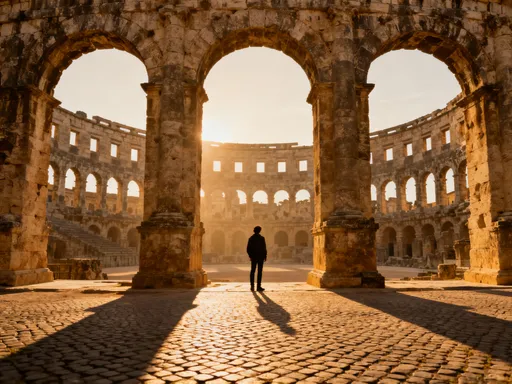
In a small urban center like Koror, culture isn’t confined to remote villages or ceremonial grounds—it thrives in the city itself. The Belau National Museum stands as a testament to this. Housed in a modest but well-maintained building, it preserves Palau’s rich history through artifacts, photographs, and oral histories. Canoe paddles, traditional tools, and intricate shell jewelry tell stories of seafaring, craftsmanship, and clan identity. The museum doesn’t dramatize the past; it presents it with dignity and care.
Equally important are the bai—traditional meeting houses—that dot the landscape. Though often associated with rural villages, several bai exist in or near Koror, serving as gathering places for elders, community meetings, and cultural events. These structures, with their high thatched roofs and carved beams, are more than architecture—they’re living symbols of governance, wisdom, and continuity. Even in the city, Palauans maintain strong ties to their clans and traditional leadership systems.
Community centers and churches also play a vital role. Sunday services are well attended, and church halls frequently host events—from youth programs to craft workshops. These spaces foster connection and belonging, especially for families who’ve moved to the city from outer islands. Urban life doesn’t erase tradition; it reshapes it, allowing customs to evolve without being lost.
One of the most powerful aspects of Palauan culture is its oral tradition. Stories, genealogies, and customs are passed down through generations by word of mouth. In Koror, you’ll hear elders speaking Palauan in homes and markets, teaching children the language and values of their ancestors. This linguistic resilience is a quiet act of preservation, ensuring that modernization doesn’t mean assimilation.
For visitors, engaging with these cultural spaces is a privilege. The museum welcomes questions, and staff are eager to share knowledge. While bai are not always open to tourists, respectful observation from a distance is appropriate. The message is clear: tradition isn’t a performance for outsiders—it’s a lived reality, quietly maintained in the heart of the city.
Hidden Corners: Offbeat Urban Experiences
While Palau’s reefs draw global attention, some of its most meaningful moments happen far from the water’s edge. Sunrise at Ngerkeai Beach, just a short drive from central Koror, offers a serene start to the day. The sand is soft, the waves gentle, and the only sounds are birds and the distant hum of a passing boat. Locals come here to walk, meditate, or simply sit in silence. It’s a place of quiet reflection, not recreation.
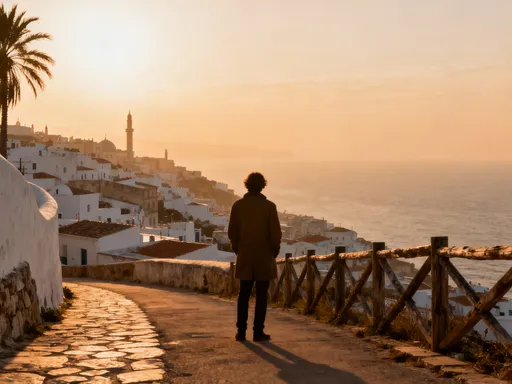
Another hidden gem is a small neighborhood chapel perched on a hillside, its white walls glowing in the afternoon light. From its steps, you can see the ocean stretching to the horizon. It’s not a tourist site—no signs, no tours, no gift shop. But on quiet evenings, you might find an elder sitting on the bench, praying or watching the sunset. These moments of stillness are not staged; they’re genuine, fleeting, and deeply moving.
For a taste of daily rhythm, visit a local coffee stop in the early morning. These unassuming spots—often just a few tables under a tin roof—fill with men and women sharing news over strong, sweet coffee. They speak Palauan, laugh easily, and welcome curious visitors with a nod. Ordering a cup and sitting quietly is enough to feel included. You won’t find menus or baristas, but you will find community.
The real reward of urban exploration in Palau isn’t in checking off sights but in slowing down enough to notice. It’s in the pattern of a woven mat, the rhythm of a conversation, the way light falls on a quiet street. These experiences can’t be rushed or planned—they emerge from presence, from being open to what the city offers.
Travelers who wander without GPS, who ask locals for recommendations, who say “yes” to unexpected invitations often find the most memorable moments. Joining a community event, attending a small festival, or sharing a meal with a host family can transform a visit from observation to participation. In a world where tourism often feels transactional, Palau reminds us that connection is possible—one quiet moment at a time.
Why This Side of Palau Matters
Understanding Palau beyond its reefs and resorts isn’t just enriching—it’s essential. When travelers only see the natural beauty, they miss the people who steward it. Koror and its urban life are not distractions from the “real” Palau; they are part of it. This is where policies are made, where families grow, where culture is lived every day.
Seeing the urban side fosters deeper respect. It reminds us that Palau is not a postcard but a nation with schools, hospitals, markets, and dreams. It humanizes a place often reduced to its scenery. And in doing so, it encourages more responsible tourism—one that values people as much as landscapes.
Spending time in Koror also supports sustainable travel. When visitors buy from local markets, eat at family-run eateries, or hire local guides, they contribute directly to the economy. This reduces pressure on fragile ecosystems, where over-tourism can degrade coral reefs and marine life. It shifts the balance from extraction to exchange.
Most importantly, it honors Palau’s national pride. The country has long championed environmental protection, from banning harmful sunscreens to establishing one of the world’s largest marine sanctuaries. But its urban resilience—its ability to grow without losing itself—is equally worthy of admiration. In a time of rapid global change, Palau offers a model of grounded, intentional living.
So the next time you plan a trip to this island nation, don’t just book a dive package. Spend a day walking the streets of Koror. Sit in a market. Listen to a story. Let the city show you its soul. Because the true spirit of Palau isn’t just beneath the waves—it’s in the quiet moments, the everyday lives, the unseen faces that make this place not just beautiful, but profoundly human.