Lost in the Souks of Medina: Where Every Scent Tells a Story
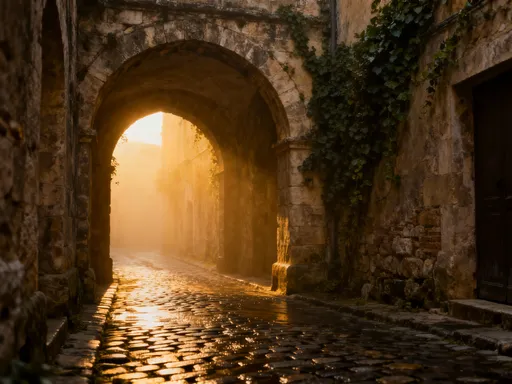
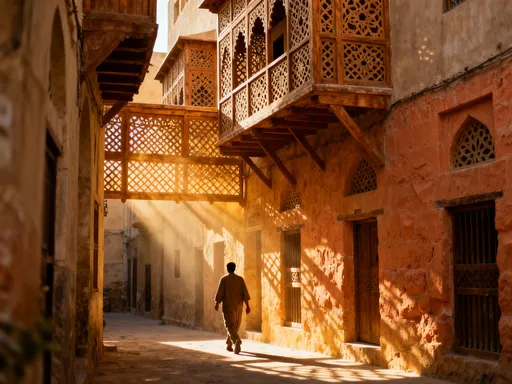
Walking through the narrow alleys of Al-Madinah, I was instantly wrapped in the rich aroma of oud, saffron, and freshly ground coffee. This isn’t just shopping—it’s a sensory journey. The markets here don’t sell products; they offer moments. From vibrant textiles to handcrafted incense burners, every corner reveals a piece of tradition. If you're looking for authenticity, this is where it lives. The souks of Medina are not designed for hurried tourists with shopping lists, but for those willing to slow down, breathe deeply, and let the rhythm of centuries-old commerce guide their steps. In this sacred city, every scent, sound, and sight carries meaning, and every interaction holds the weight of heritage.
The Heartbeat of Medina: Understanding Its Spiritual and Cultural Vibe
Medina is more than a destination; it is a living testament to faith, history, and community. As the second holiest city in Islam, it draws millions of visitors each year, not only for pilgrimage but to experience a way of life deeply rooted in tradition and reverence. The spiritual energy of the city permeates every aspect of daily existence, including the rhythm of its markets. Unlike commercial centers built for convenience and speed, the souks here operate on a different tempo—one of patience, presence, and purpose. The call to prayer echoes through the alleys five times a day, pausing the bustle, reminding everyone of what truly matters.
Walking through the medina’s winding lanes, one senses a quiet dignity in the air. The pace is unhurried, the voices are measured, and even in the busiest moments, there is a sense of calm. This atmosphere shapes the shopping experience in profound ways. Transactions are not rushed; they are conversations. A purchase is not just an exchange of money for goods, but a moment of human connection. Shopkeepers often begin with a greeting of "Salam alaikum," inviting not just a sale, but a shared moment of peace. This cultural warmth transforms the market from a place of commerce into a space of belonging.
The deep spiritual significance of Medina also influences the types of goods available. Items sold here are not random souvenirs but objects with meaning—prayer beads, religious texts, modest clothing, and fragrances used in homes and mosques. These are not merely products; they are extensions of faith and daily practice. For visitors, this creates a unique opportunity to engage with culture in a meaningful way. Whether you are a pilgrim or a curious traveler, the souks offer a window into a way of life where spirituality and daily routine are seamlessly woven together.
Al-Nakheel Market: The Soul of Medina’s Shopping Experience
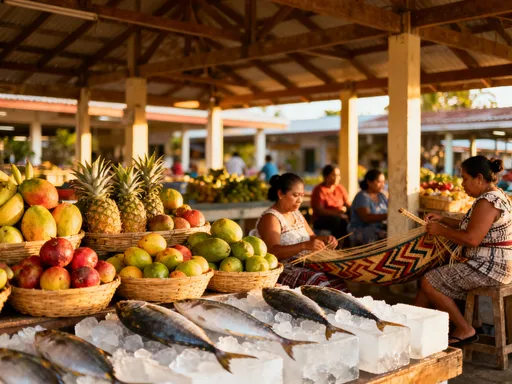
At the center of Medina’s vibrant market life lies Al-Nakheel Market, a bustling hub where tradition meets sustenance. Known primarily for its dates, this market is a feast for the senses. Rows of wooden stalls display date varieties in every shade—amber, deep brown, golden, and near-black—each with its own texture and flavor. Ajwa dates, revered for their historical and religious significance, are carefully presented, often in ornate boxes suitable for gifting. Locals and visitors alike gather here not only to buy but to taste, compare, and share stories over small plates of fresh dates and Arabic coffee.
The market is alive with color and movement. Piles of crimson sumac, golden turmeric, and dark green hibiscus flowers create a visual mosaic. The scent of cumin, cardamom, and dried limes drifts through the air, mingling with the sweetness of dried figs and apricots. Vendors call out gently, offering samples with a smile. The sound of scales clicking and paper rustling as goods are weighed and wrapped forms a steady background rhythm. Unlike modern supermarkets, where efficiency is king, Al-Nakheel operates on personal relationships. Regular customers are greeted by name, and newcomers are welcomed with patience and kindness.
What makes Al-Nakheel truly special is its role in daily life. It is not a tourist attraction staged for visitors, but a functioning marketplace where families come to stock their pantries. Mothers select spices for evening meals, elders pick out medicinal herbs, and guests choose gifts for hosts. Pilgrims, too, find comfort here, buying familiar flavors from home or discovering new ones to take back with them. The market’s authenticity lies in its utility—it exists not to impress, but to serve. For travelers, this offers a rare glimpse into the real, unfiltered life of the city, where food is not just sustenance but a language of care and connection.
Incense and Oud: A Fragrant Journey Through Traditional Perfumery
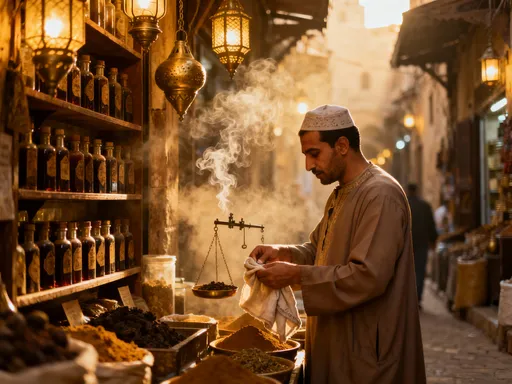
No visit to Medina is complete without stepping into the world of fragrance. The city has long been celebrated for its love of scent, particularly oud and bukhoor—traditional incense blends burned in homes, mosques, and gatherings. In small, dimly lit perfumeries tucked between larger shops, artisans work quietly, blending oils and resins with generations-old knowledge. The air in these spaces is thick with warmth—notes of sandalwood, amber, rose, and musk swirl together in an invisible tapestry. Bottles of deep brown oud oil line the shelves, each one precious, some aged for years to deepen their aroma.
Fragrance in Medina is not a luxury; it is a cultural cornerstone. It is used to welcome guests, purify homes, and mark special occasions. The Prophet Muhammad (peace be upon him) is reported to have loved pleasant scents, and this tradition continues today. Many homes begin the evening with the lighting of bukhoor, filling the air with a calming, sweet smoke. For visitors, taking home a bottle of oud or a box of hand-mixed incense is more than a souvenir—it is a way to carry a piece of Medina’s spirit into their own lives.
Shopping for perfume here is an intimate experience. Vendors do not rush; instead, they invite you to sit, to smell, to compare. They may dab a drop of oud on your wrist, asking you to wait a few minutes as the scent develops. Each blend tells a story—some are light and floral, meant for daytime, while others are deep and woody, suited for evening reflection. The craftsmanship is meticulous. Some shops still use hand-grinding techniques, blending ingredients in small batches to preserve quality. By choosing a fragrance from one of these traditional perfumeries, you are not only acquiring a rare product but supporting a craft that has survived for centuries.
Textiles and Thobes: Woven Stories in Fabric
The textile sections of Medina’s souks are a quiet celebration of heritage and craftsmanship. Here, rows of shops display thobes—long, flowing garments worn by men—with fabrics ranging from lightweight cotton for summer to heavier, embroidered wool for cooler months. The craftsmanship is evident in every stitch. Some thobes feature delicate embroidery around the neckline and cuffs, while others are adorned with subtle geometric patterns woven directly into the fabric. Women’s modest wear, including abayas and hijabs, is equally diverse, with options in soft crepe, silk, and chiffon, often in rich, earthy tones or deep jewel colors.
What sets these garments apart is not just their beauty but their purpose. They are made for comfort, dignity, and ease of movement, reflecting the values of the culture. Shopkeepers take pride in explaining the origins of their fabrics—some sourced from local weavers, others imported with care from regions known for textile excellence. They may show you how a particular fabric drapes or how a thobe is tailored to allow airflow in the desert heat. This attention to detail is not about salesmanship; it is about respect—for the craft, for the customer, and for tradition.
For visitors, choosing a garment from Medina is more than a fashion decision. It is a way to honor the culture and carry a piece of it home. Many pilgrims purchase a thobe to wear during their visit, creating a lasting memory tied to a specific moment in time. Others buy modest clothing as a gesture of respect or as a gift for family members. The process of selecting fabric, discussing fit, and learning about care instructions becomes a meaningful exchange. In a world of fast fashion, Medina’s textile markets offer a return to slow, intentional clothing—one that values quality, modesty, and timelessness over trends.
Hidden Gems: Small Craft Stalls with Big Character
Beyond the main thoroughfares of the souk lie quieter corners where artisans practice crafts passed down through generations. These small stalls may not have bright signs or digital displays, but they hold some of the most treasured items in the market. One might find a craftsman carving miswak sticks from the branches of the arak tree, a natural tooth-cleaning twig praised in tradition for its oral health benefits. Another stall may display prayer beads—tasbeehs—handcrafted from olive wood, camel bone, or semi-precious stones, each bead polished to a smooth finish.
Copper lanterns hang above some shops, their intricate cutwork casting delicate patterns when lit. These are not mass-produced decorations but hand-hammered pieces made by local metalworkers who have learned their trade from elders. Nearby, a calligrapher may be painting verses from the Quran in elegant script, using natural inks and fine brushes. These artisans do not measure success by volume but by precision and meaning. Their work is not made for speed, but for longevity and reverence.
Supporting these small vendors is one of the most impactful ways to engage with Medina’s culture. Every purchase helps preserve a tradition that might otherwise fade in the face of industrialization. When you buy a hand-carved miswak or a set of prayer beads, you are not just acquiring an object—you are becoming part of a story. These craftspeople are not merely selling; they are keeping history alive. Their quiet dedication is a reminder that true value often lies not in the grandest display, but in the details that require time, care, and love to create.
Practical Tips for a Respectful and Rewarding Shopping Experience
To fully appreciate Medina’s souks, it is important to approach them with respect and awareness. Dressing modestly is essential—both men and women should wear clothing that covers the arms and legs, reflecting the city’s religious character. Greeting shopkeepers with a simple "Salam alaikum" goes a long way in building rapport. A warm smile and polite conversation often lead to better interactions than any negotiation tactic.
Bargaining, while common in many Middle Eastern markets, should be done gently in Medina. Prices are generally fair, and aggressive haggling can be seen as disrespectful. If a price seems high, it is acceptable to ask politely if there is any flexibility, but always with kindness. Remember, many of these shopkeepers are not wealthy merchants but custodians of family-run businesses that have existed for decades.
Cash is still the preferred method of payment in most small shops, though some larger stores now accept cards. It is wise to carry small bills for easier transactions. Be mindful of prayer times, as many shops close for 20 to 30 minutes during each of the five daily prayers. The best times to visit the souks are late morning or late afternoon, avoiding the midday heat and the busiest prayer hours.
Photography should be approached with caution. Always ask permission before taking pictures of people or inside shops. Some artisans may allow photos of their work, but never assume consent. Respecting these boundaries ensures that your presence is welcomed, not intrusive. Ultimately, the key to a meaningful shopping experience in Medina is not what you buy, but how you engage—with humility, curiosity, and an open heart.
Why Medina’s Markets Stay With You Long After You Leave
The souks of Medina do not fade from memory like typical tourist stops. They linger—in the scent of oud that rises from a bottle opened at home, in the soft drape of a thobe worn on a quiet evening, in the gentle click of prayer beads held in the palm. These markets are not about consumption; they are about connection. They invite you to slow down, to listen, to appreciate the value of time, tradition, and human touch.
In a world increasingly dominated by digital transactions and impersonal retail, Medina’s souks offer something rare: authenticity. Here, every item has a story, every vendor has a name, and every purchase carries meaning. You are not just buying a product—you are participating in a culture that values dignity, hospitality, and heritage. The experience stays with you not because of what you acquired, but because of how you felt—seen, respected, and gently guided through a world that operates on deeper principles.
To visit Medina’s markets is to be reminded that travel is not only about seeing new places, but about feeling them. It is about allowing yourself to be immersed in a way of life that honors the past while remaining deeply present. Long after the journey ends, the souks continue to speak—not in words, but in scents, textures, and memories. They invite you to return, not just to the city, but to a slower, more meaningful way of living. And in that invitation lies their true magic.