You Won’t Age Like Before: My Real Talk on Anti-Aging Diets That Actually Work
Aging is inevitable, but how we age? That’s partly up to us. I used to think anti-aging meant expensive creams or extreme diets—until I learned the truth about nutrition’s role. What you eat can either speed up or slow down how your body ages. This isn’t about magic fixes, but real, science-backed choices. Let me walk you through the common traps and the dietary shifts that truly make a difference—no hype, just honesty.
The Anti-Aging Hype Trap: What Most People Get Wrong
Many people believe that fighting the signs of aging starts with a jar of cream or a bottle of supplements. While skincare and certain vitamins may play supporting roles, the foundation of how we age lies much deeper—in what we eat every day. Unfortunately, the anti-aging industry thrives on fear, selling the idea that a single superfood or detox cleanse can turn back the clock. These promises are often loud, glossy, and completely unsustainable. The truth is, no green powder or exotic berry will undo years of poor eating habits overnight. And worse, chasing these quick fixes can lead to frustration, confusion, and even harm when people cut out entire food groups or restrict calories too severely.
One of the most common myths is that you need to eliminate sugar entirely or go on a juice fast to look younger. While reducing added sugars is wise, extreme restriction often backfires. When the body is deprived of balanced nutrition, it responds by slowing metabolism and increasing cravings, which can lead to cycles of restriction and overeating. This rollercoaster is stressful on the body and accelerates aging at the cellular level. Another misleading trend is the obsession with so-called “miracle” foods—like acai, goji berries, or collagen drinks—marketed as essential for youthful skin. While some of these do contain beneficial compounds, they are not magic bullets. Their effects are modest and only meaningful when part of an overall healthy diet.
The real shift begins with changing our mindset. Instead of asking, “What can I cut out to look younger?” we should be asking, “What can I add in to nourish my body for long-term vitality?” Aging well is not about punishment or perfection. It’s about balance, consistency, and making choices that support the body’s natural repair systems. The goal isn’t to stop aging—it’s to age with energy, strength, and resilience. That kind of transformation doesn’t come from a 10-day cleanse. It comes from daily habits that honor your body’s needs.
Why Food Matters More Than You Think in the Aging Process
Every bite of food you eat sends signals to your cells—some promote renewal and protection, while others trigger damage and decline. The science behind aging is complex, but two key processes stand out: oxidative stress and chronic inflammation. Oxidative stress happens when unstable molecules called free radicals damage cells. This damage accumulates over time and contributes to wrinkles, memory loss, and weakened immunity. Fortunately, the body has a defense system—antioxidants—that neutralize these free radicals. The best source? Real food. Berries, dark leafy greens, nuts, and colorful vegetables are rich in antioxidants like vitamin C, vitamin E, and polyphenols that help protect cells from wear and tear.
Inflammation is another silent driver of aging. While acute inflammation helps the body heal from injury, chronic, low-grade inflammation wears down tissues and is linked to heart disease, joint pain, and slower recovery. Diet plays a major role in either calming or fueling this process. Foods high in refined carbohydrates, trans fats, and processed meats tend to increase inflammation. On the other hand, foods rich in omega-3 fatty acids—like salmon, walnuts, and flaxseeds—have natural anti-inflammatory properties. These nutrients help maintain the flexibility of blood vessels, support brain function, and preserve joint health.
Blood sugar control is equally important. When you eat meals high in refined sugars and white flour, your blood sugar spikes, leading to a surge in insulin. Over time, repeated spikes can lead to insulin resistance, a condition that accelerates aging and increases the risk of type 2 diabetes. More subtly, high blood sugar damages collagen and elastin—the proteins that keep skin firm and supple. This is why people who eat a lot of processed carbs often notice more sagging and wrinkles. Choosing whole grains, legumes, and fiber-rich vegetables helps stabilize blood sugar and keeps energy levels steady throughout the day.
The good news is that these processes are not fixed. What you eat today can begin to shift your body’s aging trajectory. You don’t need to overhaul your diet overnight. Small, consistent changes—like swapping a sugary snack for a handful of almonds or choosing grilled fish over fried chicken—add up over time. The body is remarkably resilient when given the right tools. Food isn’t just fuel; it’s information. And when you choose nutrient-dense, whole foods, you’re giving your body the message: “I’m worth taking care of.”
The Hidden Dangers in “Healthy” Anti-Aging Diets
Not all diets that claim to support anti-aging are truly beneficial. In fact, some of the most popular ones can do more harm than good—especially when followed long-term. Take juice cleanses, for example. Marketed as a way to “detox” and glow from within, these regimens often eliminate solid food for days, replacing meals with fruit and vegetable juices. While juicing can increase intake of certain vitamins, it removes fiber—the very component that slows sugar absorption and supports gut health. Without fiber, even natural fruit sugars can cause rapid blood sugar spikes, leading to energy crashes and increased fat storage over time. Additionally, the extreme calorie restriction can slow metabolism, making it harder to maintain a healthy weight in the long run.
Another trend is the overemphasis on protein, especially from animal sources, under the belief that it preserves muscle and youthfulness. While protein is essential for maintaining muscle mass as we age, excessive intake—particularly from processed or red meats—has been linked to increased inflammation and strain on the kidneys. Some high-protein diets also limit carbohydrates so severely that they cut out whole grains, fruits, and legumes, which are important sources of antioxidants and fiber. This imbalance can negatively affect digestion, energy levels, and even mood.
Then there are overly restrictive plant-based or raw food diets that eliminate entire food groups in the name of purity. While increasing plant intake is beneficial, cutting out all animal products without proper planning can lead to deficiencies in vitamin B12, iron, and omega-3s—nutrients critical for brain health, energy, and skin integrity. Similarly, avoiding cooked foods entirely may reduce intake of certain nutrients that become more bioavailable through cooking, such as lycopene in tomatoes or beta-carotene in carrots.
The danger lies not in the intention but in the extremism. Most of these diets start with a kernel of truth—juicing delivers vitamins, protein builds muscle, plants are healing—but when taken to the extreme, they become unbalanced and unsustainable. The body thrives on variety, not rigidity. A diet that feels punishing or requires constant deprivation is unlikely to last. And when people inevitably return to their usual eating patterns, they often feel worse—guilty, sluggish, or defeated. True anti-aging nutrition isn’t about restriction; it’s about inclusion—bringing in more of what nourishes you, not less.
What a Real Anti-Aging Plate Looks Like (No Gimmicks)
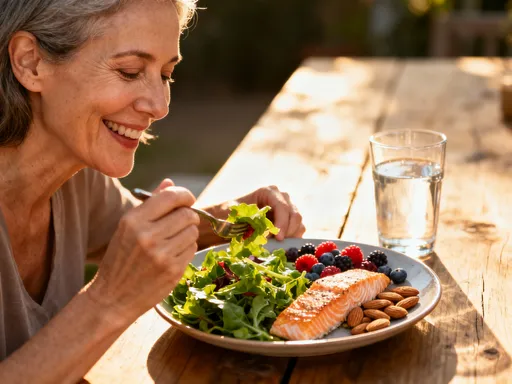
If anti-aging diets are not about extreme rules or exotic ingredients, what should your plate actually look like? The answer is simpler than you might think. A truly effective anti-aging eating pattern is balanced, colorful, and rooted in whole, minimally processed foods. Imagine a plate that’s half filled with a variety of colorful vegetables—spinach, broccoli, bell peppers, carrots, and tomatoes. These provide antioxidants, fiber, and phytonutrients that protect cells and support detoxification. Add a quarter of the plate with a high-quality protein source, such as grilled salmon, skinless chicken, tofu, or lentils. Protein helps preserve muscle mass, supports repair, and keeps you feeling full longer.
The remaining quarter can include a serving of whole grains or starchy vegetables—like quinoa, brown rice, sweet potatoes, or beans. These provide sustained energy and fiber, which supports gut health and blood sugar control. Don’t forget healthy fats. A drizzle of olive oil, a few avocado slices, or a small handful of nuts or seeds can go a long way in supporting brain health, reducing inflammation, and keeping skin hydrated. This kind of plate isn’t about counting calories or measuring portions to the gram. It’s about proportions, variety, and consistency.
Specific foods stand out for their anti-aging benefits. Fatty fish like salmon and mackerel are rich in omega-3 fatty acids, which support heart and brain health. Berries—especially blueberries and strawberries—are packed with anthocyanins, antioxidants that help protect against cognitive decline. Leafy greens like kale and Swiss chard provide vitamin K, which supports bone health, and lutein, which protects eye health. Nuts, particularly walnuts and almonds, offer healthy fats, vitamin E, and plant-based protein. Even dark chocolate (in moderation, 70% cocoa or higher) contains flavonoids that improve circulation and skin elasticity.
Meal timing also plays a supportive role. Eating regular, balanced meals helps maintain stable blood sugar and energy levels. Skipping meals, especially breakfast, can lead to overeating later and disrupt metabolic balance. Some research suggests that aligning eating patterns with natural circadian rhythms—such as finishing dinner earlier in the evening—may support cellular repair and longevity. But the most important factor is not perfection. It’s showing up for yourself day after day with meals that are both nourishing and enjoyable. A sustainable anti-aging diet doesn’t feel like a punishment. It feels like care.
The Role of Hydration, Gut Health, and Consistency
Nutrition isn’t just about food—it’s also about what you drink and how your body processes what you consume. Hydration is one of the most overlooked yet powerful tools for healthy aging. Water is essential for every bodily function, from regulating temperature to flushing out waste. Even mild dehydration can lead to fatigue, brain fog, and dry skin. As we age, the body’s thirst mechanism becomes less sensitive, making it easier to go hours without drinking enough. Yet, staying well-hydrated supports skin elasticity, joint lubrication, and cognitive clarity. A simple goal is to drink water consistently throughout the day—starting with a glass in the morning and continuing with each meal and snack.
Beyond water, certain beverages can support longevity. Green tea, for instance, contains catechins—antioxidants that have been studied for their potential to protect against cellular damage and support metabolism. Herbal teas like chamomile or rooibos offer calming benefits without caffeine. But it’s best to limit sugary drinks, including fruit juices and sweetened teas, which contribute to inflammation and blood sugar spikes.
Gut health is another critical piece of the aging puzzle. The gut microbiome—the trillions of bacteria living in the digestive tract—plays a surprising role in overall health. A balanced microbiome supports immune function, reduces inflammation, and even influences mood and brain health. When the gut is out of balance, it can contribute to bloating, poor nutrient absorption, and chronic disease. To support gut health, focus on fiber-rich foods like vegetables, fruits, legumes, and whole grains. These feed the beneficial bacteria in your gut. Fermented foods—such as plain yogurt, kefir, sauerkraut, and miso—add live probiotics that help maintain microbial balance.
Consistency is what ties it all together. One perfect meal won’t reverse years of imbalance, just as one indulgent meal won’t ruin your health. What matters is the pattern over time. Healthy aging is not about intensity—it’s about showing up, day after day, with small, positive choices. Drinking water instead of soda. Choosing a piece of fruit over a cookie. Adding an extra serving of vegetables to dinner. These actions may seem minor, but their cumulative effect is profound. The body responds to rhythm, not revolution. When healthy habits become routine, they stop feeling like effort and start feeling like self-respect.
Common Mistakes Even Health-Conscious People Make
Even people who care deeply about their health can fall into traps that undermine their anti-aging efforts. One of the most common mistakes is focusing solely on food while ignoring other pillars of wellness. You can eat the most nutrient-dense diet, but if you’re not sleeping well, constantly stressed, or sedentary, your body won’t be able to fully benefit. Sleep, in particular, is when the body repairs cells, balances hormones, and clears out metabolic waste from the brain. Chronic sleep deprivation accelerates aging, increases inflammation, and disrupts appetite regulation, making it harder to maintain a healthy weight.
Another pitfall is over-relying on supplements. While certain supplements—like vitamin D or omega-3s—can be helpful for people with specific needs, they are not a substitute for real food. Whole foods contain complex combinations of nutrients that work together in ways supplements cannot replicate. For example, the vitamin C in an orange comes with fiber, flavonoids, and other compounds that enhance its absorption and effectiveness. A supplement pill, no matter how high the dose, lacks this synergy. Taking a handful of pills while eating poorly creates a false sense of security.
Skipping meals is another habit that can sabotage long-term health. Some women skip breakfast or lunch to save calories, not realizing that this can slow metabolism and lead to overeating later. Regular meals help maintain energy, prevent blood sugar crashes, and support muscle preservation. Eating mindfully—without distractions, and with gratitude—also enhances digestion and satisfaction. When you rush through meals or eat while stressed, your body doesn’t process food as efficiently.
The lesson is this: anti-aging is not a single act. It’s a symphony of habits—nutrition, sleep, movement, and emotional well-being—all working together. Focusing on just one piece while neglecting the others limits your results. True vitality comes from a holistic approach—one that honors the whole person, not just the plate.
Building a Sustainable, Joyful Relationship with Food for Longevity
The most powerful anti-aging strategy isn’t found in a lab or a boutique supplement store. It’s found in your kitchen, your routines, and your relationship with food. The best diet for longevity isn’t one that makes you count every calorie or avoid every treat. It’s one that you can live with—happily—for decades. It includes foods you enjoy, meals that bring comfort, and the freedom to celebrate without guilt. Deprivation creates stress, and stress accelerates aging. Joy, on the other hand, is a form of nourishment.
Mindful eating—paying attention to the taste, texture, and experience of food—can transform meals into moments of presence and gratitude. When you eat slowly and savor each bite, you’re more likely to recognize when you’re full, digest better, and feel satisfied. This isn’t about perfection. It’s about presence. It’s okay to enjoy a slice of cake at a birthday party or a bowl of pasta on a rainy night. What matters is the overall pattern—the 90% of meals that nourish you, not the 10% that bring joy.
Aging well is not about fear. It’s not about trying to look 25 forever. It’s about feeling strong, clear, and capable at every stage of life. It’s about having energy to play with grandchildren, travel, or simply enjoy a walk in the park. When your diet is rooted in love—not fear—you make choices that honor your body and your life. You choose foods that fuel you, not punish you. You build habits that last because they feel good, not because they’re forced.
In the end, the secret to aging differently isn’t a secret at all. It’s consistency, balance, and kindness—toward your body, your choices, and your journey. You won’t age like before, not because you’ve found a miracle, but because you’ve chosen to care. And that kind of care doesn’t fade. It deepens with time.