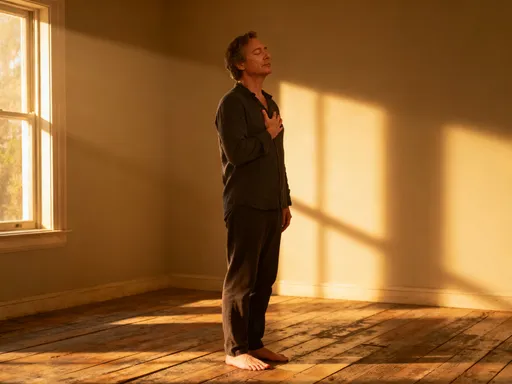
What Healing Really Means: My Deep Dive into Chinese Herbal Recovery
Have you ever felt stuck in your recovery, no matter what modern medicine you tried? I was there too—until I discovered the quiet power of traditional Chinese regulation. This isn’t about quick fixes, but deep, body-level balance. I’ll walk you through how herbal wisdom, rhythm, and patience reshaped my healing journey. It’s not magic. It’s method. And honestly? I wish I’d started sooner.
The Breaking Point: When Modern Medicine Wasn’t Enough
For years, I moved through life in a fog. Waking up exhausted, even after eight hours of sleep, became routine. My digestion was unpredictable—bloating, discomfort, and irregularity no matter how carefully I ate. Doctors ran tests, prescribed medications, and offered explanations that felt incomplete. One diagnosed stress-related fatigue, another suggested irritable bowel syndrome, but none addressed the root of my discomfort. The treatments provided temporary relief at best, and often came with side effects that created new problems. I wasn’t healing—I was managing symptoms, and barely that.
The emotional weight of this stagnation was just as heavy as the physical toll. I felt isolated, as if no one truly understood what I was experiencing. I began to question whether I would ever feel like myself again. The more prescriptions I collected, the more I sensed something fundamental was missing. It was during this period of quiet desperation that I first heard about Traditional Chinese Medicine (TCM) from a trusted friend who had experienced similar struggles. She spoke not of disease, but of imbalance—of the body’s energy being out of alignment. That idea resonated with me in a way clinical labels never had.
What drew me most was the concept of *zheng*, or pattern differentiation—a cornerstone of TCM diagnosis. Unlike Western medicine’s focus on isolated symptoms, TCM looks at the whole person: physical signs, emotional state, lifestyle, and even the way someone speaks or moves. My friend explained that two people with the same diagnosis might receive entirely different treatments based on their unique patterns. This personalized approach felt like a breath of fresh air after years of one-size-fits-all solutions. It wasn’t a rejection of modern medicine, but an invitation to explore a different lens—one that saw health as a dynamic process, not a checklist of symptoms to suppress.
Understanding Chinese Herbal Regulation: Beyond Symptom Fixing
As I began to study TCM more deeply, I realized that its foundation rests on a fundamentally different understanding of the body. In this system, health is not merely the absence of disease, but the presence of balance. The body is viewed as an interconnected network where every organ, emotion, and function influences the others. At the heart of this system are three core principles: the balance of Yin and Yang, the smooth flow of Qi (vital energy), and the harmonious function of the organ systems—not as isolated units, but as interdependent partners in maintaining wellness.
Yin and Yang represent opposing yet complementary forces—Yin being cooling, nourishing, and restorative, while Yang is warming, activating, and energizing. When these forces are in harmony, the body functions optimally. But when one dominates or diminishes, imbalance arises. For example, chronic fatigue and cold intolerance may signal a Yang deficiency, while insomnia and irritability could point to excess heat or Yang rising unchecked. Rather than labeling these as separate conditions, TCM sees them as expressions of deeper energetic shifts.
Qi is the vital force that animates all life processes. It flows through channels called meridians, supporting digestion, circulation, immunity, and emotional regulation. When Qi is strong and moving freely, we feel energized and resilient. When it becomes stagnant—often due to stress, poor diet, or lack of movement—discomfort follows. In my case, I learned that my digestive issues and low energy were not unrelated; they were both signs of Qi stagnation and deficiency, particularly in the Spleen and Liver systems.
What sets Chinese herbal regulation apart is its precision. Herbs are not used to target symptoms in isolation, but to correct underlying patterns. A formula is carefully crafted based on the individual’s constitution, current imbalances, and even the season. For instance, someone with Spleen Qi deficiency might receive a blend that strengthens digestion and boosts energy, while another with Liver Qi stagnation might get herbs that soothe tension and support emotional flow. This tailored approach ensures that treatment supports the body’s innate ability to restore balance, rather than override it.
The First Step: Finding the Right Practitioner and Diagnosis
One of the most important decisions I made was to seek guidance from a licensed TCM practitioner rather than experimenting on my own. While herbal products are widely available, self-prescribing can be ineffective or even harmful without proper diagnosis. TCM relies on a detailed assessment process that goes far beyond symptom listing. My first consultation lasted over an hour and included a thorough health history, observation of my tongue, and pulse diagnosis—a skill refined over centuries to detect subtle imbalances.
The practitioner explained that the tongue reveals the state of internal organs and fluid balance. In my case, a pale, swollen tongue with teeth marks along the edges indicated Spleen Qi deficiency—a pattern associated with weak digestion, fatigue, and poor nutrient absorption. The pulse, taken at three positions on each wrist, provided further insight. A weak, slow pulse in the Spleen position confirmed energy deficiency, while a wiry pulse in the Liver position suggested emotional tension and stagnation. These findings painted a coherent picture: my body was struggling to transform food into energy, and stress was disrupting the smooth flow of Qi.
Based on this assessment, my practitioner formulated a personalized herbal plan. It included classic formulas like Si Jun Zi Tang (Four Gentlemen Decoction) to strengthen the Spleen and Xiao Yao San (Free and Easy Wanderer) to regulate Liver Qi. I was also advised to avoid raw, cold foods and excessive mental strain—common aggravators of my pattern. The practitioner emphasized that healing would require consistency and patience, not immediate results. This was not about quick relief, but gradual restoration. Most importantly, she warned against changing formulas too frequently or adding supplements without guidance, as this could disrupt the body’s adjustment process.
My 90-Day Herbal Recovery Plan: Rhythm Over Rush
Healing, I learned, is not a race. My practitioner designed a phased 90-day plan that prioritized rhythm over intensity. The first month focused on gentle regulation: a basic herbal decoction taken twice daily, combined with simple dietary adjustments. I began cooking more warm, cooked meals—steamed vegetables, soups, and congee—while reducing raw salads and iced drinks. Each week, I paid attention to small shifts: a slightly easier morning wake-up, less bloating after meals, a calmer mind in the evening.
By the second month, the formula was slightly adjusted to deepen the effect. I added acupressure into my routine, focusing on key points like Zusanli (ST36), known to support digestive strength, and Taichong (LV3), which helps release Liver Qi stagnation. These were easy to locate and apply—just firm pressure for a few minutes each day. I also established a more consistent sleep schedule, going to bed by 10:30 p.m. to support the body’s natural repair cycles. Sleep hygiene became a quiet act of self-care: dimming lights, avoiding screens, and sipping a cup of chrysanthemum tea to calm the mind.
The third month brought the most noticeable changes. My energy levels stabilized—I no longer needed afternoon naps or caffeine to push through. Digestion improved significantly; meals were comfortable, and bowel movements became regular. Emotionally, I felt less reactive. Where I once felt easily overwhelmed, I now had a greater sense of inner steadiness. My practitioner reminded me that these shifts were not random, but the result of consistent support for my body’s regulatory systems. The herbs were not doing the work alone—they were working *with* the changes I made in diet, movement, and rest.
Tracking progress was essential. I kept a simple journal noting energy levels, digestion, sleep quality, and emotional state each day. This helped me recognize patterns—like how skipping warm meals led to fatigue, or how a stressful day affected my digestion. Over time, the journal became less about monitoring symptoms and more about listening to my body’s signals. It was a shift from fighting my body to partnering with it.
Food as Medicine: The Role of Diet in TCM Recovery
In TCM, food is not just fuel—it’s a form of daily medicine. One of the most transformative changes I made was shifting from a diet heavy in raw, cold foods to one centered on warm, cooked meals. According to TCM theory, the Spleen is responsible for “transforming and transporting” food and fluids into usable energy. This process requires warmth. Raw and cold foods, while nutritious in other frameworks, are seen as taxing to the Spleen because they require extra energy to warm up before digestion can occur. Over time, this can weaken digestive function and contribute to fatigue and bloating.
Instead, I embraced cooking methods that support digestion: steaming, stewing, and slow-cooking. Congee—a simple rice porridge cooked with water or broth—became a staple. It’s easy to digest, nourishing, and can be customized with ingredients like ginger, lotus seeds, or lean meat to enhance its therapeutic effect. I started each day with a small bowl, often with a slice of fresh ginger, which helps warm the stomach and promote Qi flow. Midday meals included soups, stir-fries with well-cooked vegetables, and small portions of protein. Even fruits were eaten in moderation and often warmed—baked apples or pears with a touch of cinnamon.
Seasonal eating also became a guiding principle. In winter, I focused on warming, grounding foods like root vegetables, bone broths, and spices such as cinnamon and fennel. In summer, I incorporated cooling—but not cold—foods like cucumber and mung beans, prepared in ways that preserved digestibility. I completely eliminated iced drinks, replacing them with warm or room-temperature water, herbal teas, or warm lemon water in the morning. These changes weren’t about restriction, but about aligning my diet with my body’s needs and the natural environment.
Simple swaps made a big difference. A cup of ginger tea after meals eased bloating. Replacing coffee with roasted dandelion root tea reduced jitteriness and supported liver function. Avoiding late-night eating allowed my digestive system to rest. Over time, these habits became second nature. I stopped viewing food as the enemy and began to see it as a daily opportunity to nourish and heal.
Supportive Practices: Rest, Movement, and Emotional Flow
True healing extends beyond herbs and diet—it includes how we move, rest, and manage emotional energy. In TCM, the Liver is deeply connected to emotional regulation, particularly stress, frustration, and anger. When Liver Qi becomes stagnant—often due to prolonged stress or suppressed emotions—it can manifest as physical tension, headaches, digestive upset, or irritability. Recognizing this link was a turning point for me. I realized that no herbal formula could fully resolve my pattern without addressing the emotional component.
I began incorporating gentle movement practices that support Qi circulation. Tai Chi and Qi Gong, with their slow, flowing movements and focused breathing, became part of my weekly routine. These practices are not about intensity or calorie burning, but about cultivating awareness and encouraging energy to move smoothly through the body. Just 15 to 20 minutes a day helped me feel more grounded and less tense. I also started walking mindfully in nature, paying attention to my breath and surroundings, which further supported emotional balance.
Rest was equally important. In our fast-paced culture, rest is often seen as passive or unproductive. But in TCM, rest is an active form of healing. I prioritized sleep, aiming for 7–8 hours each night, and created a calming bedtime routine. I also began practicing breathwork—simple diaphragmatic breathing for 5–10 minutes in the morning and evening. This helped regulate my nervous system and reduce the physical signs of stress.
Journalling became a quiet space for emotional processing. Each evening, I wrote a few sentences about how I felt, what triggered stress, and what brought me peace. This wasn’t about analysis, but about acknowledgment. Over time, I noticed that when I allowed myself to feel emotions without judgment, they moved through me more easily, rather than getting stuck and affecting my Qi. These practices didn’t eliminate stress, but they gave me tools to respond to it in a way that supported, rather than undermined, my health.
Results and Realizations: What Actually Changed After Months of Consistency
After three months of consistent practice, the changes were undeniable. My energy was steady throughout the day, without the mid-afternoon crashes that once defined my routine. Digestion was reliable—no more bloating, discomfort, or irregularity. Sleep deepened, and I woke feeling refreshed. But beyond the physical improvements, my mindset shifted. I no longer approached health as a problem to be fixed, but as a process to be nurtured. I became more attuned to my body’s signals, learning to adjust my habits before imbalances escalated.
The most profound realization was that healing is not linear. There were days when old symptoms resurfaced, especially during times of high stress or dietary slip-ups. But instead of feeling defeated, I saw these moments as feedback—gentle reminders to return to my core practices. I stopped chasing perfection and embraced consistency. The herbs, diet, and lifestyle changes were not a cure, but a support system that helped my body remember how to regulate itself.
I also gained a deeper respect for the wisdom embedded in traditional systems. Chinese herbal regulation is not a trend or a quick fix—it’s a method refined over thousands of years, grounded in observation and clinical experience. It doesn’t promise instant results, but it offers a sustainable path to vitality. My journey taught me that true healing requires patience, presence, and partnership with the body. It’s not about erasing symptoms overnight, but about creating the conditions for balance to return naturally.
For anyone feeling stuck in their health journey, I offer this: consider the possibility that your body isn’t broken—it may simply need a different kind of support. Explore TCM with an open mind, but always under the guidance of a qualified practitioner. Be patient. Stay consistent. And allow healing to unfold in its own time. It may not be fast, but it can be deep—and lasting.