Why I Finally Took Charge of My Health – And You Can Too
I used to think staying healthy just meant not getting sick. But after feeling constantly tired and off, I realized prevention isn’t passive—it’s daily choices. Through small, science-backed habits, I boosted my energy and resilience. This isn’t medical advice, but a real person’s journey into managing health before problems arise. Let me share what actually worked. It wasn’t a dramatic transformation overnight, but a series of thoughtful decisions that added up over time. If you’ve ever felt stuck in a cycle of low energy, minor aches, or just not quite feeling like yourself, this story might resonate. What began as a personal wake-up call turned into a lasting commitment to proactive well-being—one that anyone can start, no matter their age or current health status.
The Wake-Up Call: When "Fine" Wasn’t Enough
For years, I believed I was doing well simply because I didn’t have a diagnosis. I wasn’t hospitalized, I didn’t take daily medication, and I could still manage household tasks and occasional errands. But looking back, the signs were there—persistent fatigue that coffee couldn’t fix, frequent colds that lingered longer than they should, difficulty concentrating, and a general sense of being “off.” These weren’t emergencies, but they weren’t signs of true health either. I had normalized a low baseline, mistaking survival for wellness.
This experience isn’t unique. Many women in their 30s, 40s, and 50s operate under the same assumption: if nothing is visibly wrong, then everything must be fine. Yet research consistently shows that chronic conditions like type 2 diabetes, heart disease, and hypertension often develop silently over years. The Centers for Disease Control and Prevention (CDC) estimates that about half of all adults in the United States live with at least one chronic illness, many of which are preventable through lifestyle changes. The problem is that by the time symptoms become undeniable, significant damage may have already occurred.
Waiting for a crisis to act is a flawed strategy. True health isn’t defined by the absence of a doctor’s visit, but by how you feel every day—your energy levels, mood stability, mental clarity, and physical comfort. Recognizing that “fine” wasn’t enough was my turning point. It wasn’t fear that drove me forward, but a growing awareness that I deserved more than just getting by. I began to ask myself: What if I didn’t have to accept fatigue as part of aging? What if I could feel strong, alert, and capable on a regular basis? That shift in mindset—from passive acceptance to active engagement—was the first real step toward change.
What Preventive Health Really Means (And What It Doesn’t)
Preventive health is often misunderstood. Some assume it means avoiding germs at all costs or obsessively tracking every bite of food. Others think it’s only for people with a family history of disease. In reality, preventive health is about making consistent, informed choices that reduce the risk of future illness and support long-term well-being. It’s not about perfection or extreme measures—it’s about sustainability and awareness.
At its core, preventive health involves two key approaches: primary prevention and secondary prevention. Primary prevention focuses on stopping disease before it starts, such as maintaining a balanced diet, staying physically active, and managing stress. Secondary prevention includes early detection through screenings like blood pressure checks, cholesterol tests, and routine physical exams. Both are essential, but primary prevention is where individuals have the most control in their daily lives.
Unlike reactive medicine, which treats symptoms after they appear, preventive health emphasizes long-term wellness planning. For example, treating high blood pressure with medication addresses an existing condition, but preventing it through regular movement, sodium awareness, and weight management tackles the root cause. According to the World Health Organization, up to 80% of heart disease, stroke, and type 2 diabetes cases could be avoided with healthier lifestyle choices. That’s a powerful statistic—not because it assigns blame, but because it offers hope. It means that even small, consistent actions can significantly influence health outcomes.
It’s also important to clarify what preventive health is not. It’s not about fad diets, miracle supplements, or extreme fitness challenges. It doesn’t require expensive equipment or hours of daily effort. And it certainly doesn’t mean you must be thin or achieve a certain aesthetic. True prevention is inclusive, adaptable, and grounded in science. It’s about building habits that support your body’s natural ability to function well, now and in the years ahead.
The Pillars of Daily Prevention: Simple but Powerful Habits
If preventive health is a house, then nutrition, movement, and sleep are its foundation. These three elements work together to support immune function, hormone balance, cognitive performance, and emotional resilience. Ignoring any one of them can weaken the entire structure, no matter how strong the others may seem.
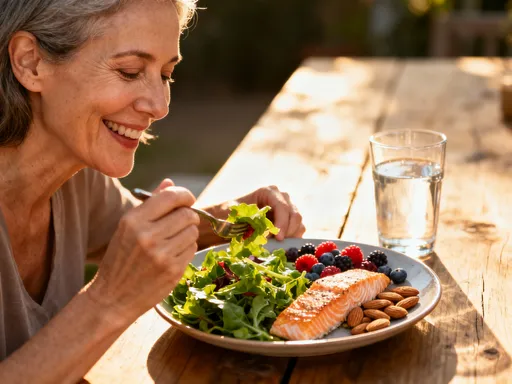
Nutrition is more than just avoiding junk food. It’s about choosing foods that provide steady energy and support cellular repair. Instead of focusing on restriction or counting calories, I shifted toward eating for stability. This meant prioritizing whole grains, lean proteins, healthy fats, and plenty of fruits and vegetables. I learned that blood sugar fluctuations contribute to fatigue and mood swings, so I aimed for balanced meals with fiber, protein, and complex carbohydrates. For example, swapping sugary breakfast cereals for oatmeal with nuts and berries made a noticeable difference in my afternoon energy levels. Hydration also played a key role—drinking enough water throughout the day helped with digestion, skin health, and mental focus.
Movement doesn’t require a gym membership or intense workouts. The goal is daily activity that keeps the body engaged and circulation strong. Simple changes made a big impact: taking short walks after meals, using the stairs instead of the elevator, doing gentle stretching in the morning. The American Heart Association recommends at least 150 minutes of moderate-intensity aerobic activity per week, which breaks down to about 30 minutes a day, five days a week. But even shorter bursts of movement—like 10-minute walks—can add up and benefit heart health, joint mobility, and mental well-being. I found that consistency mattered more than intensity. Over time, my stamina improved, and I began to look forward to moving my body rather than dreading it.
Sleep is often the most neglected pillar, yet it’s essential for bodily repair. During deep sleep, the body repairs tissues, balances hormones, and consolidates memories. Chronic sleep deprivation is linked to increased risks of obesity, depression, and weakened immunity. I used to sacrifice sleep to finish chores or scroll through my phone, but I eventually realized that poor sleep sabotaged all my other efforts. Establishing a regular bedtime, reducing screen time before bed, and creating a calming nighttime routine—like reading or light stretching—helped me fall asleep faster and wake up feeling more refreshed. Quality sleep became non-negotiable, not a luxury.
Mindset Shift: From Quick Fixes to Sustainable Choices
One of the biggest obstacles to preventive health is the cultural obsession with quick fixes. We’re surrounded by messages promising rapid weight loss, instant energy, or miracle cures. These trends often lead to short-term results followed by burnout or rebound effects. Diets that eliminate entire food groups may cause temporary changes, but they’re rarely maintainable long-term and can even harm metabolism and mental health.
What worked for me wasn’t a drastic change, but a gradual shift in identity. Instead of seeing myself as someone trying to “lose weight” or “get healthy,” I began to think of myself as someone who values well-being. This subtle change in self-perception made a big difference. When faced with a choice—like skipping a walk or reaching for a snack—I asked not “Will this help me look better?” but “Does this align with who I want to be?” Over time, healthy choices became less about willpower and more about habit and identity.
Consistency, not intensity, became my guiding principle. Missing a day didn’t mean failure—it meant an opportunity to start again. I stopped aiming for perfection and focused on progress. Research supports this approach: studies show that people who maintain long-term health improvements are more likely to emphasize routine and balance than extreme measures. They build systems that fit into real life, not idealized versions of it. By embracing small, repeatable actions, I created a lifestyle that could last for years, not just weeks.
Tracking Progress Without Obsession: Smart Self-Monitoring
Monitoring your health can be empowering, but it’s important to do so without slipping into anxiety or obsession. I started with simple tools: a journal to note my energy levels, mood, and sleep quality each day. Over time, patterns emerged. I noticed that on days I walked for 20 minutes, I felt calmer. When I drank enough water, my headaches decreased. These observations weren’t about tracking numbers, but about building self-awareness.
Some people find value in wearable devices that monitor heart rate, steps, or sleep stages. While these can offer useful insights, they’re not necessary. The goal is to gather information that helps you make better choices, not to become dependent on data. If tracking begins to cause stress—like feeling guilty for not hitting a step goal—it’s time to step back and reassess.
Personal data can also help determine when to seek professional guidance. For example, if you notice persistent fatigue despite adequate sleep and nutrition, it may be worth discussing with a healthcare provider. The same goes for unexplained changes in weight, digestion, or mood. Self-monitoring isn’t a substitute for medical care, but it can help you communicate more effectively with your doctor by providing context about your daily experiences.
Real-Life Challenges and How to Overcome Them
No preventive plan survives contact with real life unchanged. There were days when I was too tired to cook, too busy to exercise, or too stressed to sleep well. The key wasn’t avoiding these challenges, but learning how to navigate them. One of the most effective strategies I adopted was habit stacking—linking a new behavior to an existing one. For example, I started doing five minutes of stretching while my coffee brewed each morning. Because the habit was tied to something I already did, it was easier to remember and maintain.
Environment design also played a role. I kept healthy snacks visible and accessible, while moving less nutritious options to less convenient places. I laid out my walking shoes the night before to reduce friction in the morning. These small adjustments reduced the need for constant decision-making, making it easier to stick to my goals even on difficult days.
Support systems mattered too. I didn’t need a large network—just a few people who encouraged my efforts. Sharing my goals with a trusted friend helped me stay accountable. We didn’t need to do everything together; sometimes, just knowing someone else cared about my well-being made a difference. When setbacks happened—and they did—I reminded myself that progress isn’t linear. A missed day didn’t erase previous effort. What mattered was returning to the routine with compassion, not criticism.
Building Your Own Prevention Plan: A Step-by-Step Start
Creating a personalized prevention plan begins with self-assessment. Consider your current habits, family health history, and how you feel on a typical day. Are you often tired? Do you struggle with focus or digestion? These clues can help identify areas for improvement. You don’t need to overhaul everything at once. In fact, starting small increases the likelihood of long-term success.
Choose one habit to focus on first—something manageable and meaningful. It could be drinking more water, adding a daily walk, or going to bed 30 minutes earlier. Track your experience for a few weeks. Notice how it affects your energy, mood, or sleep. Once that habit feels natural, add another. This gradual approach builds confidence and creates a solid foundation.
Think of health as an ongoing investment, not a one-time fix. Just as saving money over time grows through compound interest, small daily choices accumulate into significant long-term benefits. You’re not aiming for perfection, but for steady progress. And remember, this journey is deeply personal. What works for one person may not work for another, and that’s okay. The goal is to find sustainable practices that support your unique needs and lifestyle.
True health isn’t the absence of disease—it’s the presence of vitality. By shifting focus from crisis management to daily care, anyone can build resilience from the ground up. These choices aren’t about perfection, but awareness and action. Your future self will thank you. Remember: this journey is personal, and while shared experiences help, always consult a healthcare professional for individual needs.