How I Stay Ahead of Pain and Illness with Simple Acupressure Moves
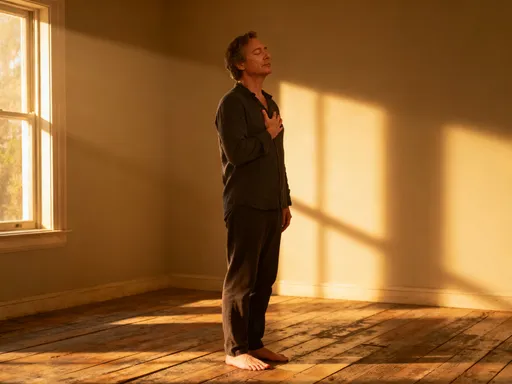
I used to think body aches and frequent colds were just part of life—until I discovered how small, consistent acupressure habits could shift that. No magic, no overnight fixes, just daily routines that actually help me feel stronger and more resilient. I’m not a doctor, but after years of trial and real-life testing, these methods have made a noticeable difference. This is what works for me—and why learning a few key moves might be one of the most helpful things you do for long-term wellness.
Why Prevention Matters More Than We Think
Many of us wait until pain arrives before we take action. A stiff neck, a recurring headache, or yet another cold in winter—only then do we consider making changes. But by that point, the body has already sounded the alarm. Prevention, though less dramatic, is far more effective. It requires awareness and consistency, but the effort is minimal compared to managing chronic discomfort or illness. Modern lifestyles often work against our natural balance: long hours at a desk, repetitive screen use, poor posture, and constant mental demands increase physical stress while reducing opportunities for recovery. The result? Lower resilience, slower healing, and a greater tendency to fall into cycles of fatigue and minor illness.
Traditional health systems, such as those from East Asia, have long emphasized maintaining balance before symptoms arise. Rather than waiting for a problem to escalate, they focus on daily practices that support circulation, energy flow, and internal harmony. Acupressure is one such practice. It doesn’t promise to cure disease, but it helps the body stay in a state where it can respond more effectively to daily challenges. Think of it like routine maintenance for a car—regular oil changes don’t prevent every breakdown, but they keep the engine running smoothly and extend its life. In the same way, small, mindful actions can help the body stay ahead of common discomforts.
Consider the woman who spends hours each day typing at a computer. Over time, tension builds in her shoulders, her neck tightens, and she begins to experience headaches. If she waits until the pain is unbearable, she may need medication, physical therapy, or time off work. But if she spends just two minutes each day releasing tension at key points, she might never reach that point of crisis. The same applies to immunity. Frequent colds during seasonal changes are often signs of a system under strain. Supporting the body’s natural defenses through simple, non-invasive methods can reduce how often illness takes hold—and how long it lasts when it does.
What Acupressure & Massage Actually Do (And Don’t Do)
Acupressure is often misunderstood. Some believe it can cure serious conditions, while others dismiss it entirely as unscientific. The truth lies in a balanced middle ground. Acupressure is not a medical treatment, nor is it intended to replace diagnosis or professional care. Instead, it is a supportive technique that helps the body regulate itself. It works by applying gentle, sustained pressure to specific areas of the body—often called acupoints—that are believed to lie along energy pathways, or meridians. While the concept of meridians is rooted in traditional systems, modern understanding suggests these points often correspond to areas rich in nerve endings, blood vessels, and connective tissue, making them responsive to touch.
When pressure is applied to these points, several physiological responses may occur. Circulation can improve, bringing more oxygen and nutrients to muscles and tissues. Muscle tension may decrease, especially in areas prone to holding stress, such as the neck, shoulders, and back. Nervous system activity can shift from a state of alertness to one of relaxation, helping to lower cortisol levels and reduce the physical effects of stress. These changes don’t happen instantly, but with regular practice, they contribute to a greater sense of well-being. Importantly, acupressure does not claim to eliminate disease. It does not replace antibiotics for infection, surgery for injury, or medication for chronic conditions. Its role is supportive—helping the body function more efficiently so it can better handle whatever challenges arise.
Another common misconception is that acupressure requires special training or equipment. While professional practitioners use detailed knowledge and techniques, everyday users can benefit from learning just a few simple points. The goal is not perfection but consistency. You don’t need to memorize dozens of locations or apply pressure with exact force. What matters is regular, mindful engagement with your body. Over time, this builds awareness—helping you notice tension before it becomes pain, or fatigue before it turns into illness. In this way, acupressure becomes less about fixing problems and more about staying connected to your body’s natural rhythms.
My Go-To Points for Daily Defense (And Why I Use Them)
Over the years, I’ve found a handful of acupressure points that I return to again and again. These are not secret or complicated—just practical, accessible spots that make a difference when used regularly. I focus on points commonly associated with immune support, energy, and tension relief. The first is LI4, also known as Hegu, located between the base of the thumb and index finger. This point is often used to support immune function and relieve head tension. I apply gentle pressure here when I feel a cold coming on or when I’ve been staring at screens for too long. It’s easy to reach, and the sensation—slightly tender but not painful—reminds me to slow down.
Another key point is ST36, or Zusanli, found about four finger-widths below the kneecap, just to the outside of the shinbone. This point is traditionally linked to vitality and digestive health. I use it when I feel fatigued, especially after busy days or travel. Pressing here can feel energizing, almost like giving your body a quiet boost. I often use my knuckles for this point, as it’s a bit harder to reach with fingertips. I hold the pressure for about a minute on each leg while sitting quietly, sometimes pairing it with deep breathing.
GB20, or Fengchi, is located at the base of the skull, in the hollows on either side of the neck where the neck muscles attach to the skull. This is one of my go-to spots for tension headaches and mental fatigue. When I feel my thoughts racing or my neck tightening after a long day, I press gently into these points. The relief is often noticeable within minutes. I use my thumbs for this, tilting my head slightly forward to relax the muscles. Some people also find this point helpful during seasonal changes when they’re more prone to colds.
I also pay attention to Yintang, the point between the eyebrows, sometimes called the “third eye.” While not part of a major meridian, many find it calming. I use it when I feel anxious or overwhelmed. A few slow circles with the index finger can help shift my focus from mental clutter to physical presence. Lastly, there’s PC6, on the inner forearm, about three finger-widths above the wrist crease. This point is often used to ease nausea and promote relaxation. I’ve found it helpful during car rides or when digestion feels off. I press with my thumb, adjusting pressure based on how my body responds.
I don’t use all these points every day. Instead, I listen to my body and choose one or two that feel most relevant. Sometimes I do them in the morning with my tea, other times at night before bed. The tools I use are simple—my hands, sometimes a smooth stone or a small rubber ball for deeper pressure. The key is not technique but attention. By returning to these points regularly, I’ve built a quiet dialogue with my body—one that helps me catch imbalances early.
How to Build a Habit That Sticks—Without Overcomplicating It
One of the biggest challenges with self-care is consistency. It’s easy to start with enthusiasm but harder to keep going when life gets busy. The secret isn’t willpower—it’s integration. I’ve found that the most effective way to make acupressure a habit is to link it to something I already do every day. For example, I press LI4 while brushing my teeth. It takes about two minutes, and since I’m already standing at the sink, it feels natural. Another time I use these points is right after I sit down with my afternoon tea. Instead of scrolling on my phone, I spend a few minutes working on ST36 or GB20. These small pairings turn acupressure from a chore into a ritual—one that feels nurturing rather than demanding.
If you’re new to this, I recommend starting with just one point for one week. Pick the one that seems most relevant—maybe LI4 for immunity or GB20 for headaches. Practice it at the same time each day until it feels automatic. Once it’s part of your routine, you can add another. This gradual approach prevents overwhelm and builds confidence. It’s better to do a little consistently than to try to do everything at once and give up. I’ve learned that perfection isn’t the goal. Some days I forget, and that’s okay. The habit isn’t broken by a missed day—it’s sustained by returning to it without guilt.
Another important aspect is self-awareness. Acupressure isn’t about pushing through pain or applying force. The pressure should be firm but comfortable—enough to feel a mild sensation, but never sharp or painful. If a point feels extremely tender, that may be a sign of tension or imbalance, but it’s not a reason to press harder. In fact, aggressive pressure can cause bruising or irritation. I always remind myself to breathe deeply and stay relaxed while applying pressure. This not only makes the experience more effective but also reinforces the mind-body connection. Over time, this awareness extends beyond the few minutes of practice—it helps me notice when I’m slouching, holding my breath, or clenching my jaw, so I can make small adjustments throughout the day.
When to Pair It with Professional Care
While acupressure can be a valuable part of daily wellness, it’s essential to recognize its limits. It is not a substitute for medical diagnosis or treatment. If you experience persistent pain, swelling, numbness, or unexplained symptoms, it’s important to consult a licensed healthcare provider. These could be signs of underlying conditions that require professional evaluation. Similarly, if you have a chronic health issue such as arthritis, high blood pressure, or diabetes, acupressure should be used as a complement to—never a replacement for—your prescribed care plan.
There are also specific situations where caution is needed. For example, pregnant women are often advised to avoid certain points, such as LI4, as they may stimulate uterine contractions. People with bleeding disorders or those taking blood thinners should be gentle with pressure to avoid bruising. If you’re recovering from surgery or an injury, it’s best to consult your doctor before beginning any new self-care practice. Even within safe limits, acupressure is most effective when it’s part of a broader wellness strategy that includes proper nutrition, adequate sleep, physical activity, and regular medical check-ups.
Think of acupressure as one tool in your wellness toolkit. Just as you wouldn’t rely solely on a hammer to build a house, you shouldn’t expect one technique to solve all your health concerns. But when used wisely, it can enhance your overall well-being. I’ve found that combining acupressure with regular walks, mindful eating, and routine doctor visits gives me a stronger foundation. It’s about balance—taking responsibility for what I can control while trusting professionals with what I can’t.
Real Benefits I’ve Noticed (And What Science Says)
After several years of consistent practice, I’ve observed real changes in how I feel from day to day. I get fewer tension headaches, and when they do occur, they tend to be milder and shorter in duration. I recover from fatigue more quickly, especially after busy weeks or travel. My sleep has improved—not because I do acupressure as a sleep aid every night, but because the overall reduction in stress seems to support better rest. I also feel more in tune with my body. When I start to feel run down, I notice it earlier and can take small steps—like resting more or increasing my water intake—before it turns into full-blown illness.
While my experience is personal, it aligns with broader research on touch therapy and stress reduction. Studies have shown that manual therapies, including massage and acupressure, can help lower cortisol levels, reduce muscle tension, and improve subjective well-being. Though large-scale clinical trials on specific acupoints are limited, the general benefits of touch and self-massage are well supported. Touch activates the parasympathetic nervous system, which helps the body shift into a state of rest and repair. This, in turn, may support immune function and reduce inflammation—both of which play a role in long-term health.
It’s important to note that these effects are indirect and cumulative. Acupressure doesn’t “boost” the immune system in a dramatic way, but by reducing stress and improving circulation, it creates conditions where the body can function more efficiently. I don’t claim to never get sick—I still catch the occasional cold. But I do feel more resilient, as if my body has a stronger baseline. That sense of stability makes a big difference, especially during stressful seasons or life changes. The benefits aren’t flashy, but they’re lasting—like the quiet strength that comes from daily care rather than crisis management.
Making Prevention Part of Your Lifestyle Mindset
Ultimately, the greatest shift I’ve experienced isn’t just physical—it’s mental. I’ve moved from reacting to problems to proactively supporting my health. This mindset change is perhaps the most powerful outcome of my acupressure practice. I now see small, consistent actions as investments in my future well-being. Just as brushing your teeth daily prevents cavities, taking a few minutes each day to care for your body can prevent minor imbalances from becoming bigger issues. It’s not about achieving perfection or eliminating all discomfort. It’s about building resilience—day by day, choice by choice.
This approach requires patience and realistic expectations. You won’t feel dramatically different after one session. The benefits accumulate slowly, like interest in a savings account. But over time, those small deposits add up. I’ve learned to appreciate the quiet moments of self-care—the few minutes of focused attention that help me stay grounded. These moments are not selfish; they’re necessary. When I feel better, I have more energy to care for my family, enjoy my hobbies, and engage with the world around me.
Acupressure has taught me that wellness isn’t something you achieve once and then forget. It’s an ongoing practice, shaped by daily decisions. You don’t need special skills or expensive tools to begin. You just need a willingness to listen to your body and show it a little kindness. The points I’ve shared are simple, but they represent something deeper: a commitment to long-term care. If you take away one thing, let it be this—small actions today shape how you feel years from now. And that makes every gentle press, every mindful breath, worth it.