Mindful Moves: How Yoga and Meditation Help Me Stay Balanced When Life Gets Tough
Living with a chronic health condition changed the way I see wellness. Doctors helped, but I wanted more control. That’s when I discovered how yoga and meditation—rooted in ancient Chinese wisdom and modern mindfulness—could support my daily well-being. This isn’t about curing anything, but about managing symptoms, reducing stress, and feeling stronger mentally and physically. If you’re looking for natural, sustainable ways to feel better while dealing with long-term health challenges, this is for you. These practices didn’t replace medical care, but they gave me tools to respond to pain, fatigue, and emotional strain with more grace and less resistance. Over time, small moments of stillness and mindful movement became anchors in the storm.
Why Stress Makes Everything Worse – And What We Can Do About It
Stress is more than just a mental burden—it has real, measurable effects on the body, especially for those managing long-term health conditions. When the body perceives a threat, whether it’s a looming deadline or chronic pain, it activates the sympathetic nervous system, triggering the “fight-or-flight” response. This leads to a surge of stress hormones like cortisol and adrenaline. While helpful in short bursts, prolonged activation of this system can disrupt nearly every function in the body. Chronic stress is linked to increased inflammation, a key factor in conditions such as arthritis, diabetes, and heart disease. It can also weaken immune responses, making the body more vulnerable to infections and slowing healing.
Sleep is another area deeply affected by stress. Many women in their 30s to 50s report difficulty falling or staying asleep, especially when managing health issues or caregiving responsibilities. Poor sleep, in turn, worsens pain sensitivity and cognitive function, creating a cycle that’s hard to break. The good news is that we are not powerless. Mind-body practices like yoga and meditation offer a way to activate the parasympathetic nervous system—the “rest-and-digest” counterpart to fight-or-flight. These practices send signals to the brain that it’s safe to relax, slowing the heart rate, lowering blood pressure, and reducing stress hormone levels.
Studies have shown that regular mindfulness practice can decrease markers of inflammation and improve heart rate variability, a sign of healthy nervous system balance. For women juggling family, work, and personal health, this kind of self-regulation is not a luxury—it’s a necessity. Learning to pause, breathe, and reconnect with the body is one of the most powerful forms of self-care available. It doesn’t require expensive equipment or hours of free time. It simply requires intention and consistency. By making stress management a daily priority, women can create a stronger foundation for overall health and resilience.
Yoga: More Than Stretching – It’s Smart Movement for Real Bodies
Yoga is often misunderstood as a practice only for the flexible or the young. In reality, it’s a form of intelligent movement designed to support the body’s natural functions, regardless of age or physical condition. For women managing chronic pain, fatigue, or joint sensitivity, yoga offers a gentle yet effective way to maintain mobility, improve circulation, and reconnect with the body in a compassionate way. Unlike high-intensity workouts that may exacerbate symptoms, yoga emphasizes awareness, alignment, and breath. Each movement is intentional, helping to build strength without strain and flexibility without force.
Key postures, or asanas, can be adapted to meet individual needs. For example, seated forward bends can be supported with cushions or bolsters to reduce pressure on the lower back. Standing poses like Mountain Pose or Warrior II can be practiced near a wall for balance support. Even simple movements like neck rolls or shoulder shrugs, when done with awareness, can release tension stored in areas commonly affected by stress. The focus is not on achieving a perfect pose but on listening to the body’s signals and responding with care. This shift from performance to presence is where the real healing begins.
Breath-coordinated movement is another cornerstone of yoga. When each motion is linked to an inhale or exhale, it creates a rhythm that calms the nervous system. This synchronization helps regulate the autonomic nervous system, reducing the background hum of anxiety and fatigue. Over time, regular practice can improve joint lubrication, enhance oxygen delivery to tissues, and support lymphatic drainage, all of which contribute to better daily functioning. For women whose energy levels fluctuate, a 10- to 15-minute gentle flow can be more restorative than longer, more intense sessions. The goal is not to push through discomfort but to move in a way that feels supportive and sustainable.
Meditation Without the Mystique – Simple Practices That Actually Work
Meditation often carries an air of mystery, as if it requires special knowledge, silence, or a completely clear mind. In truth, meditation is simply the practice of paying attention on purpose. It doesn’t require hours of sitting in lotus position or escaping from thoughts. In fact, the goal is not to stop thinking but to become aware of thoughts without getting caught in them. For women managing chronic conditions, this skill is invaluable. Pain, fatigue, and uncertainty can lead to rumination—replaying worries or worst-case scenarios. Meditation offers a way to step back and observe these patterns without reacting.
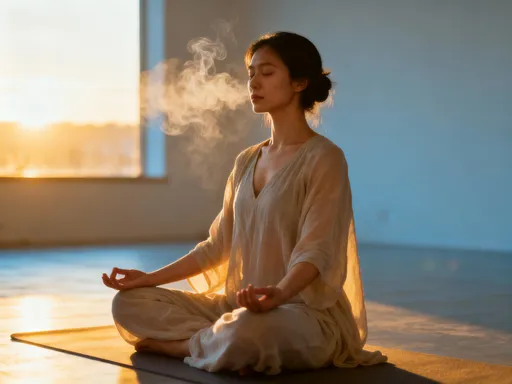
One of the most accessible forms is breath awareness. Sitting comfortably, a person can simply notice the natural rhythm of breathing—feeling the rise and fall of the chest or the coolness of air entering the nostrils. When the mind wanders, as it naturally will, the practice is to gently return attention to the breath. This act of returning, again and again, strengthens mental resilience. Another effective technique is the body scan, where attention is slowly moved from the toes to the head, noticing sensations without judgment. This can be especially helpful at bedtime, helping to release physical tension and quiet the mind.
Guided meditations are also a great starting point, especially for those new to the practice. Many free, high-quality recordings are available online, ranging from 5 to 20 minutes. These can focus on relaxation, self-compassion, or pain management. The key is consistency, not duration. Even five minutes a day can lead to noticeable changes over time—improved focus, reduced reactivity, and a greater sense of calm. It’s normal to feel restless or distracted at first. The practice is not about achieving perfection but about showing up, moment by moment, with kindness toward oneself.
Blending East and West: How TCM Wisdom Complements Mindfulness
Traditional Chinese Medicine (TCM) offers a holistic framework for understanding health that aligns closely with mindfulness practices. At its core, TCM views the body as an interconnected system where balance is essential. Concepts like Qi (vital energy), Yin-Yang harmony, and the flow of energy through meridians are not mystical ideas but ways of describing the body’s dynamic processes. For example, Qi can be understood as the body’s functional energy—what keeps the heart beating, the lungs breathing, and the mind alert. When Qi flows smoothly, health is maintained. When it becomes blocked or depleted, symptoms arise.
Yoga and meditation support this flow by reducing tension, improving circulation, and calming the nervous system. Deep, rhythmic breathing in yoga helps move Qi, especially in the chest and abdomen. Gentle twisting poses can stimulate internal organs and aid digestion, another key aspect of TCM health. Similarly, meditation helps restore Yin energy—the quiet, nourishing aspect of being—by encouraging rest and inner reflection. In a world that often values constant doing, these practices honor the need for being.
While TCM includes practices like acupuncture and herbal medicine, the lifestyle principles are accessible to everyone. Eating regular, warm meals, maintaining a consistent sleep schedule, and managing emotional stress are all part of TCM self-care. Mindfulness enhances these habits by increasing awareness of bodily signals—like hunger, fatigue, or emotional shifts—before they become overwhelming. This preventive approach is shared by both TCM and modern integrative medicine. The goal is not to eliminate symptoms overnight but to create conditions where the body can heal and regulate itself over time.
Building Your Daily Routine – Small Steps, Big Impact
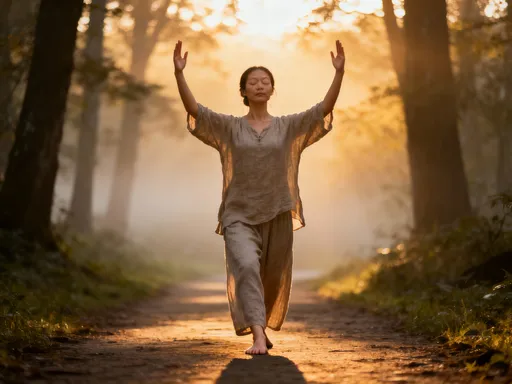
One of the biggest barriers to starting a mindfulness practice is the belief that it requires large blocks of time. The truth is, even brief, consistent moments of practice can create lasting change. For women with busy schedules—balancing work, family, and personal health—flexibility is key. The goal is not to add one more rigid task to the to-do list but to weave small, nourishing habits into existing routines. This might mean starting the day with three deep breaths before getting out of bed, or taking a mindful walk after lunch, noticing each step and the sensation of air on the skin.
A morning ritual could include a 7-minute gentle yoga flow—simple stretches to awaken the body, combined with breath awareness. This sets a calm tone for the day. A midday reset might involve a 5-minute seated meditation at a desk or in the car, using a guided audio if helpful. These pauses act as circuit breakers, preventing stress from accumulating. At night, a bedtime wind-down could include a body scan or gratitude reflection, helping to transition from activity to rest. The sequence doesn’t need to be elaborate; what matters is regularity and intention.
Technology can support these habits. Many apps offer short, guided sessions tailored to specific needs—stress relief, better sleep, or energy boost. Setting a daily reminder can help establish the habit until it feels natural. It’s also important to let go of perfection. Some days, only one minute may be possible—and that still counts. Over time, these micro-moments accumulate, building a foundation of resilience. The practice grows not from intensity but from repetition, like a muscle that strengthens with use.
When Emotions Run High – Using Mindfulness to Navigate Tough Days
Living with a chronic condition often means facing emotional highs and lows. Days of pain or fatigue can bring frustration, sadness, or a sense of isolation. Mindfulness offers a way to meet these feelings with compassion rather than resistance. Instead of trying to push emotions away or fix them immediately, the practice is to acknowledge them with kindness. This doesn’t mean resigning to suffering but creating space to respond wisely. For example, when anxiety arises, a person might notice the tightness in the chest, the rapid thoughts, and the urge to act—without reacting impulsively.
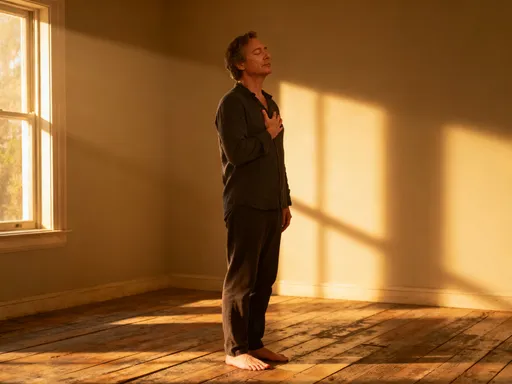
One helpful technique is the RAIN method: Recognize the emotion, Allow it to be there, Investigate it with curiosity, and Nurture with self-compassion. This approach helps break the cycle of emotional reactivity. On difficult days, simply pausing to place a hand on the heart and taking three slow breaths can be a powerful act of self-care. It signals to the body and mind that it’s okay to feel, and that support is available—even from within.
Over time, mindfulness helps identify patterns—certain times of day, situations, or thoughts that trigger emotional shifts. With this awareness, women can prepare supportive responses in advance. This might mean having a calming playlist ready, keeping a journal nearby, or scheduling a short meditation after a stressful appointment. The goal is not to eliminate difficult emotions but to relate to them in a healthier way. This builds emotional resilience, making it easier to navigate life’s inevitable challenges with greater calm and clarity.
Working With Your Doctor, Not Against Them – A Team Approach
It’s important to emphasize that yoga and meditation are not substitutes for medical treatment. They are complementary practices that enhance overall care. Women should always continue prescribed treatments and consult their healthcare providers before starting new routines, especially if managing complex conditions. Open communication is key. Many doctors now recognize the value of mind-body practices and may even recommend them as part of a comprehensive care plan. Sharing your interest in yoga or meditation with your doctor can lead to a more collaborative relationship, where both clinical and self-care strategies are honored.
Some concerns may arise—such as whether certain poses are safe with specific conditions, or how meditation might interact with medications. A knowledgeable instructor or therapist can help adapt practices to individual needs. For example, women with osteoporosis may avoid deep forward bends, while those with high blood pressure may benefit from restorative poses that promote relaxation. The goal is to work in partnership, using all available tools to support well-being. This integrated model respects both science and self-knowledge, creating a more complete picture of health.
By viewing wellness as a shared responsibility, women can take an active role in their care without undermining medical expertise. Mind-body practices empower individuals to make daily choices that support healing, while doctors provide diagnosis, treatment, and monitoring. Together, they form a balanced team. This approach fosters trust, reduces fear, and promotes long-term health outcomes. It’s not about choosing one path over another but about weaving them together for the best possible support.
A Lifelong Practice, Not a Quick Fix
The journey of integrating yoga and meditation into daily life is not about achieving a perfect state of calm or eliminating all symptoms. It’s about building a resilient, compassionate relationship with oneself—one that grows stronger over time. Progress may be slow, and some days will feel harder than others. But each moment of mindfulness, each breath taken with awareness, contributes to a deeper sense of balance and well-being. These practices are not quick fixes but lifelong tools for navigating the complexities of health and life with greater grace.
For women in their 30s to 55s, who often carry the weight of multiple roles and responsibilities, this kind of self-care is not selfish—it’s essential. By prioritizing mental and physical balance, they create a stronger foundation for themselves and their families. The benefits extend beyond symptom management; they include improved focus, emotional stability, and a renewed sense of purpose. Wellness becomes less about chasing perfection and more about honoring the body’s needs with kindness and consistency.
There is no single right way to practice. Each woman’s path will be unique, shaped by her health, schedule, and preferences. The important thing is to begin—and to keep returning, day after day. Over time, the small choices add up: a few minutes of stretching, a moment of stillness, a breath taken with intention. These are the quiet acts of courage that build resilience. And in the end, that’s what true wellness is: not the absence of challenge, but the presence of strength, clarity, and peace, even in the midst of life’s storms.