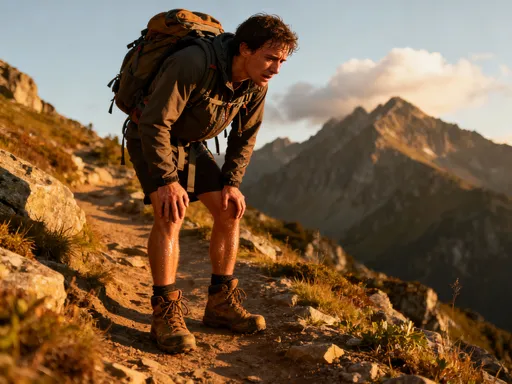
What I Learned from Hiking Gone Wrong — And How to Stay Healthy on the Trail
Hiking seems simple—just walk in nature, right? But I learned the hard way that poor prep can turn a dream trek into a physical nightmare. Sore knees, low energy, exhaustion—sound familiar? After several missteps, I discovered how smart health management makes all the difference. This isn’t about extreme fitness; it’s about avoiding common mistakes and building sustainable habits. Let’s talk real strategies that keep your body strong, your mind clear, and your hikes truly enjoyable—without the burnout or injury.
The Hidden Dangers of Unprepared Hiking
Hiking is often seen as a gentle outdoor activity, something anyone can do with minimal preparation. Yet, the reality is far more complex. Unlike walking on flat pavement, hiking involves uneven terrain, elevation changes, prolonged duration, and exposure to weather—factors that place unique stress on the body. Without proper conditioning, even a moderate trail can lead to joint pain, muscle fatigue, and in some cases, long-term injuries. The body responds to these demands in ways many hikers don’t anticipate, particularly those who are new to the activity or return to it after long breaks.
One of the most common issues is knee strain, especially during downhill sections. The descent can generate up to three times the body’s weight in impact force on the knees, making them vulnerable to overuse injuries like patellofemoral pain syndrome. Similarly, ankles are at risk on rocky or slippery paths, where a single misstep can result in a sprain. These aren’t just temporary setbacks—they can discourage future outdoor adventures and contribute to a cycle of inactivity. The misconception that hiking requires no special preparation overlooks the fact that it is, in essence, a form of functional exercise that challenges balance, endurance, and strength simultaneously.
Another often-overlooked risk is cardiovascular strain. While hiking is excellent for heart health, sudden exertion at high altitudes or steep inclines can overwhelm an unconditioned system. Symptoms like dizziness, shortness of breath, or chest tightness are warning signs that the body is working beyond its current capacity. This is especially true for individuals managing chronic conditions such as hypertension or prediabetes, for whom unmonitored physical stress can pose real health risks. Recognizing hiking as a legitimate physical challenge—rather than a casual stroll—shifts the mindset from spontaneous adventure to intentional preparation.
The solution lies in viewing hiking through the lens of preventive health. Just as you wouldn’t run a marathon without training, you shouldn’t tackle a five-mile trail with elevation gain without building foundational fitness. This includes strengthening key muscle groups, improving cardiovascular endurance, and practicing balance and coordination. By treating hiking as a form of exercise that requires specific preparation, individuals can avoid preventable injuries and enjoy the activity with greater confidence and comfort. The trail doesn’t discriminate—it rewards those who prepare and challenges those who don’t.
Why “Just Going” Isn’t Enough: The Myth of Natural Fitness
Many people believe that if they walk regularly around their neighborhood, take the stairs at work, or do light gardening, they’re fit enough for hiking. This assumption, while well-intentioned, is misleading. Daily activities contribute to general health, but they don’t replicate the physical demands of hiking. The difference lies in specificity: hiking requires sustained aerobic effort, muscular endurance, joint stability, and dynamic balance—elements that aren’t fully developed through routine movement alone.
Consider the difference between walking on a sidewalk and navigating a rocky mountain path. On flat ground, movement is predictable and symmetrical. On a trail, each step varies in length, angle, and surface resistance. This constant micro-adjustment engages stabilizing muscles in the feet, ankles, hips, and core—muscles that remain underused in daily life. Over time, this imbalance can lead to overcompensation, where stronger muscles take on too much work, leaving weaker ones strained and vulnerable. This is why many otherwise active individuals experience unexpected soreness or injury after their first serious hike.
Cardiovascular demands also differ significantly. A leisurely walk may keep heart rate in a low-intensity zone, but hiking—especially uphill—pushes the body into moderate or vigorous zones for extended periods. Without prior conditioning, the heart and lungs struggle to keep up, leading to early fatigue and reduced enjoyment. Additionally, elevation gain increases oxygen demand, and at higher altitudes, thinner air can further challenge respiratory efficiency. These factors combine to create a physiological load that casual activity does not prepare the body for.
The idea that nature will “naturally” get you fit assumes the body adapts instantly, but adaptation takes time. Sudden, intense physical stress without progressive buildup increases the risk of soft tissue injuries, joint inflammation, and prolonged recovery. Instead, a smarter approach involves targeted training that mirrors trail conditions. This includes incline walking, stair climbing, balance drills, and strength exercises like lunges and step-ups. These activities build the specific endurance and stability needed to hike safely and comfortably. Recognizing that hiking is a skill—like swimming or cycling—helps reframe it as something to be learned, not just attempted.
Footwear Fails: How the Wrong Shoes Wreck Your Hike (and Your Body)
Among all the gear choices hikers make, footwear is arguably the most critical—and the most commonly mishandled. Many people wear running shoes, fashion sneakers, or old boots on the trail, assuming comfort at home translates to trail performance. Unfortunately, this mismatch is a leading cause of blisters, ankle sprains, and even chronic joint pain. The foot is a complex structure of 26 bones, 33 joints, and over 100 muscles, tendons, and ligaments, all working together to absorb shock and maintain balance. On the trail, this system faces forces and angles it rarely encounters in daily life.
During uphill climbs, the toes press against the front of the shoe, increasing pressure on the nails and joints. This can lead to blackened toenails or nerve irritation, commonly known as “hiker’s toe.” On descents, the foot slides forward with each step, causing friction that results in blisters—especially on the heels and balls of the feet. Ill-fitting shoes exacerbate this problem: too loose, and the foot moves excessively; too tight, and circulation is restricted, leading to numbness or swelling. Even minor discomfort can escalate quickly over several miles, turning an enjoyable hike into a painful ordeal.
Beyond comfort, improper footwear compromises stability. Trails often feature loose gravel, wet roots, or steep inclines where ankle support is essential. Running shoes, designed for forward motion on even surfaces, lack the lateral support needed to prevent ankle rolls. A single misstep on a tilted rock can result in a sprain that sidelines a hiker for weeks. Similarly, flat or worn-out soles provide inadequate grip, increasing the risk of slips and falls, particularly in damp or muddy conditions.
Choosing the right footwear starts with understanding terrain and personal foot mechanics. For day hikes on well-maintained trails, lightweight hiking shoes with good tread and moderate ankle support may suffice. For rugged or off-trail routes, stiffer-soled hiking boots with higher ankle collars offer greater protection and stability. It’s also important to consider foot shape—some brands cater to wide or narrow feet, high arches, or flat feet. A proper fit includes a snug heel, room for toes to move, and enough space to accommodate slight swelling during long hikes.
Equally important is breaking in new shoes before hitting the trail. Wearing untested footwear on a long hike is a recipe for disaster. Instead, wear them around the house, on short walks, or during practice hikes to identify pressure points and allow materials to mold to the foot. Pairing shoes with moisture-wicking socks—preferably made of merino wool or synthetic blends—helps reduce friction and manage sweat. Recognizing early signs of foot stress, such as hot spots or tingling, allows hikers to adjust lacing, take breaks, or address issues before they become serious. Footwear isn’t just gear—it’s a foundational element of hiking health.
Pacing Pitfalls: The Truth About Endurance and Energy Management
One of the most common mistakes hikers make is starting too fast. Eager to reach the summit or cover ground quickly, many set an unsustainable pace in the early miles. This initial burst of energy often leads to early fatigue, labored breathing, and muscle burn—signs that the body is operating beyond its aerobic threshold. When this happens, the body shifts from efficient fat-burning to inefficient glycogen use, depleting energy stores prematurely and increasing recovery time.
Pacing is not just about speed; it’s about managing effort over time. A sustainable hiking pace allows for steady breathing, clear thinking, and the ability to maintain conversation—a method often called the “talk test.” If you’re too breathless to speak in short sentences, you’re likely pushing too hard. Perceived exertion, a scale from 1 to 10 where 1 is resting and 10 is maximum effort, is another useful tool. For most hikers, maintaining a level of 4 to 6 ensures endurance without overexertion. This approach conserves energy, reduces muscle fatigue, and makes the experience more enjoyable.
Energy management also involves proper fueling and hydration. Many hikers rely solely on water or consume only sugary snacks like candy bars or gummy bears. While these provide quick energy, they often lead to blood sugar spikes and crashes, leaving hikers feeling sluggish or irritable. A better strategy includes balanced snacks with carbohydrates, protein, and healthy fats—such as trail mix with nuts and dried fruit, energy bars with whole ingredients, or sandwiches with lean meat and whole grains. Eating small amounts every 45 to 60 minutes helps maintain steady energy levels and prevents hunger-related fatigue.
Hydration is equally critical. Dehydration impairs physical performance, cognitive function, and temperature regulation. However, drinking too much water without electrolyte replacement can lead to hyponatremia, a dangerous condition where sodium levels drop too low. To avoid this, hikers should drink water consistently throughout the hike and include electrolyte-rich snacks or drinks, especially on long or hot days. Carrying a hydration pack or water bottle within easy reach encourages regular sipping rather than infrequent gulping. By mastering pacing, fueling, and hydration, hikers can sustain energy, protect their health, and extend their time on the trail.
Neglected Recovery: Why What You Do After the Hike Matters Most
Most hikers focus intensely on preparation and execution but give little thought to what happens after the trail. Yet, recovery is where the body repairs, adapts, and grows stronger. Skipping post-hike care can lead to prolonged soreness, stiffness, and increased risk of overuse injuries. Delayed onset muscle soreness (DOMS), which typically peaks 24 to 48 hours after exertion, is a common consequence of unmanaged recovery. While some soreness is normal, excessive discomfort can discourage future activity and disrupt daily life.
A simple cooldown routine can make a significant difference. After the final mile, spend 5 to 10 minutes walking at a slow pace to gradually lower heart rate and circulation. Follow this with gentle stretching, focusing on major muscle groups used during the hike—calves, hamstrings, quads, hips, and lower back. Static stretches, held for 20 to 30 seconds each, help release muscle tension and improve flexibility. This practice not only reduces soreness but also supports long-term mobility and joint health.
Hydration and nutrition play key roles in recovery. Replenishing fluids lost through sweat helps restore blood volume and supports cellular repair. Drinking water with a pinch of salt or consuming a balanced meal with carbohydrates and protein within 30 to 60 minutes after hiking accelerates recovery. Protein aids in muscle repair, while carbohydrates replenish glycogen stores. A simple post-hike snack like yogurt with fruit, a peanut butter sandwich, or a smoothie can provide these essential nutrients.
Other recovery habits include elevating the legs to reduce swelling, using a foam roller to release muscle tightness, and ensuring adequate sleep. Sleep is when the body performs most of its repair work, so getting 7 to 8 hours of quality rest after a hike supports healing and resilience. Active recovery—such as a light walk or gentle yoga the next day—can also improve circulation and reduce stiffness. By treating recovery as an essential part of the hiking routine, individuals can bounce back faster, stay consistent, and build long-term physical capacity.
Gear That Helps (and What’s Just Fluff)
The hiking gear market is full of products promising comfort, performance, and convenience. While some items are genuinely beneficial, others add weight and cost without real value. Smart gear choices should prioritize health, safety, and efficiency. Among the most useful tools are trekking poles, hydration packs, and moisture-wicking clothing—each serving a clear physiological purpose.
Trekking poles reduce impact on knees and hips by up to 25%, especially during descents. They also improve balance on uneven terrain and engage upper body muscles, promoting a more efficient stride. For hikers with joint concerns or those tackling steep trails, poles can make a significant difference in comfort and endurance. Hydration packs, which allow hands-free drinking, encourage consistent water intake and help prevent dehydration. Unlike handheld bottles, they stay accessible without stopping, making it easier to maintain fluid balance throughout the hike.
Appropriate clothing is another critical factor. Layering with moisture-wicking base layers, insulating mid-layers, and weather-resistant outer shells helps regulate body temperature and prevent overheating or chilling. Cotton, often called “the killer fabric” in outdoor circles, retains moisture and increases the risk of hypothermia, even in mild conditions. Instead, synthetic or wool fabrics move sweat away from the skin and dry quickly, supporting thermoregulation and comfort.
On the other hand, many gadgets—such as GPS watches with dozens of unused features, heavy backpacks with excessive compartments, or multi-tool knives with rarely used blades—add unnecessary weight. Overpacking is a common issue, especially among beginners. Every extra pound increases energy expenditure and joint strain. The key is to carry only what’s essential: water, snacks, first-aid supplies, navigation tools, and emergency items. Testing gear on short hikes before long trips ensures reliability and comfort. Thoughtful gear selection enhances the experience without compromising health or mobility.
Building a Sustainable Hiking Habit: From Occasional Trekker to Trail-Ready Explorer
The ultimate goal is not just to survive a hike but to thrive in the outdoors consistently. This requires shifting from reactive fixes to proactive habits. Building a sustainable hiking routine involves more than occasional weekend trips—it means integrating trail-ready practices into daily life. A simple weekly plan can include two to three days of strength training focusing on legs and core, one day of mobility work like stretching or yoga, and one or two short practice hikes on local trails.
Strength exercises such as bodyweight squats, lunges, calf raises, and step-ups build the muscle endurance needed for elevation changes. Resistance bands or light weights can increase difficulty over time. Mobility work improves joint range of motion and reduces injury risk, especially in the hips and ankles. Practice hikes allow hikers to test gear, refine pacing, and build confidence on varied terrain. Tracking progress—through distance, elevation gain, or perceived effort—helps identify improvements and set realistic goals.
Equally important is listening to the body. Fatigue, persistent soreness, or joint pain are signals to rest, adjust intensity, or seek professional guidance. Pushing through discomfort often leads to setbacks, while mindful pacing supports long-term engagement. Adjusting goals based on season, energy levels, or life demands ensures sustainability. Hiking should enhance well-being, not detract from it.
Over time, these habits transform occasional hikers into trail-ready explorers. The benefits extend beyond physical health—improved mood, reduced stress, and stronger connection to nature are well-documented outcomes of regular outdoor activity. By prioritizing preparation, recovery, and consistency, hikers can enjoy the rewards of the trail safely and sustainably. The journey isn’t about perfection; it’s about showing up, learning, and moving forward—one mindful step at a time.