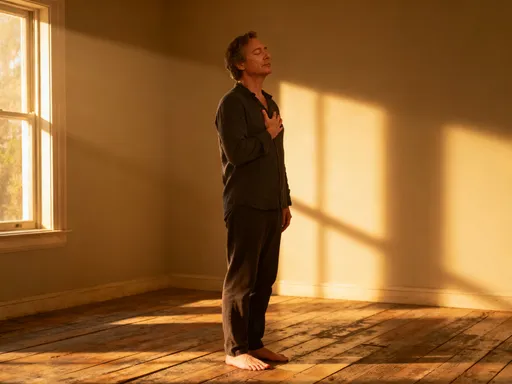
How I Fixed My Energy and Mood with Simple Chinese Wellness Habits
For years, I felt constantly drained—tired in the morning, wired at night, and never quite "right." I tried quick fixes, supplements, and trendy diets, but nothing stuck. Then I discovered the system behind traditional Chinese wellness: not magic, but balance. This isn’t about drastic changes—it’s about daily rhythm, food as fuel, and listening to your body. What I experienced wasn’t instant, but real. Here’s how this gentle, holistic approach helped me reclaim my health from the ground up.
The Hidden Burnout Epidemic – Why Modern Life Throws Us Off Balance
Many women in their 30s, 40s, and 50s experience a quiet kind of exhaustion—one that doesn’t show up on blood tests but lingers in the background of daily life. It’s the fatigue that makes getting out of bed feel like a chore, the brain fog that turns simple decisions into struggles, and the mood swings that catch you off guard during otherwise ordinary moments. These are not just signs of being busy; they are signals that the body’s internal balance has been disrupted. In the framework of traditional Chinese medicine (TCM), this imbalance is often described as a disturbance in Qi—the vital energy that flows through the body, supporting every function from digestion to emotional regulation.
Modern life, with its constant demands and digital distractions, often works against this natural flow. Long hours, irregular meal times, and excessive screen exposure can interfere with the body’s circadian rhythm, weakening the organs responsible for energy production and emotional stability. The liver, for example, is most active between 1 a.m. and 3 a.m. according to the TCM body clock. If you’re regularly waking during this window, it may not be insomnia alone—it could reflect underlying stress or emotional tension stored in the body. Similarly, afternoon fatigue around 3 p.m. may point to a sluggish spleen, which in TCM governs digestion and the transformation of food into usable energy.
What makes this burnout so insidious is that it’s normalized. Many women accept low energy as an inevitable part of aging or motherhood, when in fact, it’s often a sign that lifestyle habits are out of alignment with the body’s natural needs. The good news is that restoring balance doesn’t require extreme measures. By recognizing these patterns as early warnings rather than personal failings, it becomes possible to make gentle, sustainable changes. The first step is simply awareness—seeing fatigue, poor sleep, or irritability not as isolated issues, but as interconnected signals of a deeper imbalance.
What “Systemic” Chinese Wellness Really Means – It’s Not Just Herbs or Acupuncture
When most people think of traditional Chinese medicine, they picture acupuncture needles or bottles of herbal tinctures. While these are important tools, they represent only a fraction of a much broader, systemic approach to health. At its core, TCM is not about treating symptoms in isolation, but about understanding how all parts of the body work together as a dynamic network. This perspective shifts the focus from “fixing” a problem to supporting the body’s innate ability to heal and regulate itself. It’s a model of care that values prevention, balance, and the wisdom of natural rhythms over quick fixes or aggressive interventions.
Unlike Western medicine, which often targets specific diseases or lab results, TCM looks at the whole person—physical, emotional, and environmental factors included. A woman experiencing chronic fatigue, for instance, wouldn’t just be prescribed stimulants or sleep aids. Instead, a practitioner might explore her diet, sleep patterns, emotional stressors, and even seasonal influences to identify where energy is being depleted or blocked. The goal is not to suppress symptoms, but to uncover the root cause: Is digestion weak? Is stress overwhelming the liver? Is the body lacking warmth or nourishment?
Central to this system are the principles of Yin and Yang—opposing yet complementary forces that must remain in harmony for optimal health. Yin represents rest, nourishment, and internal calm; Yang stands for activity, warmth, and outward expression. When life becomes overly Yang—filled with constant doing, bright lights, and high stimulation—the body can become depleted, leading to burnout. Conversely, too much Yin—excessive rest, cold foods, or emotional withdrawal—can result in sluggishness and low motivation. The key is balance, and this balance is maintained not through dramatic interventions, but through daily habits that support the body’s natural flow.
This systemic view also emphasizes the interconnectedness of organ systems. In TCM, organs are not just physical structures but functional networks linked to emotions, senses, and energy pathways. For example, the spleen is responsible not only for digestion but also for mental clarity and focus. The heart governs circulation but is also tied to joy and sleep quality. When one system is out of balance, it affects others. This holistic lens allows for a deeper understanding of health—one that empowers individuals to make informed choices based on their unique constitution and lifestyle.
My First Step: Fixing My Daily Rhythm to Support Natural Energy Flow
The first change I made wasn’t about diet or exercise—it was about time. I began paying attention to when my body naturally wanted to wake, eat, and rest. For years, I had treated my schedule as something to be managed, not respected. I stayed up late answering emails, skipped breakfast, and powered through afternoons with coffee. But after learning about the TCM body clock—a 24-hour cycle mapping organ activity to specific hours—I realized I had been working against my biology, not with it.
According to TCM, each organ system has a two-hour window when its energy is at its peak. The large intestine, for example, is most active between 5 a.m. and 7 a.m., making this an ideal time for elimination. The stomach’s energy peaks from 7 a.m. to 9 a.m., which is why eating a warm, nourishing breakfast during this window supports strong digestion. Later in the day, the heart is most active from 11 a.m. to 1 p.m., a time when energy should be high and focus sharp. By aligning my routine with these natural rhythms, I began to notice subtle but meaningful shifts.
I started going to bed by 10:30 p.m. and waking around 6:30 a.m., even on weekends. I made it a rule to eat breakfast within an hour of waking, choosing warm oatmeal or congee instead of cold cereal. I stopped eating after 7 p.m. to give my stomach time to rest. These changes felt minor at first, but within weeks, my digestion improved, my energy stabilized, and I no longer needed an afternoon nap. Most surprisingly, my sleep deepened—I stopped waking at 3 a.m., a habit I had assumed was just part of aging.
The consistency of routine became its own form of self-care. Rather than viewing structure as restrictive, I came to see it as a form of respect for my body. By honoring natural rhythms, I wasn’t imposing discipline—I was restoring harmony. This shift didn’t require willpower or deprivation; it simply asked me to listen. And in doing so, I discovered that true energy isn’t something you force—it’s something you allow.
Food as Fuel – Eating with the Seasons and Your Body Type
One of the most transformative realizations in my wellness journey was understanding that food is not just about calories or macros—it’s about energy. In TCM, every food has a thermal nature: warming, cooling, or neutral. This doesn’t refer to temperature alone, but to how the food affects the body’s internal environment. For example, raw salads and iced drinks are considered cooling, which can be beneficial in hot weather but may slow digestion if consumed excessively, especially in colder months or by individuals with a naturally cool constitution.
For years, I followed mainstream diet advice—low-fat, high-protein, lots of raw vegetables. But instead of feeling energized, I often felt bloated and sluggish. When I shifted to a TCM-informed approach, I began to see food as medicine. I started cooking more meals at home, using warming ingredients like ginger, cinnamon, and bone broth. I replaced cold smoothies with warm grain porridges for breakfast and noticed almost immediately that my digestion improved and my energy stayed steady through the morning.
Another key insight was eating with the seasons. TCM teaches that the body naturally adapts to seasonal changes, and diet should reflect that. In winter, when the body needs more warmth and storage, hearty soups, stews, and root vegetables are ideal. In summer, when heat rises, lighter, cooling foods like cucumbers, melons, and leafy greens help maintain balance. I began to plan meals around what was in season at the market, not just what was convenient. This not only improved my energy but also deepened my connection to the natural world.
Equally important was recognizing my body type. TCM identifies different constitutional patterns—some people run hot and benefit from cooling foods, while others run cold and thrive on warming ones. Through observation and guidance from a licensed practitioner, I learned that I had a tendency toward coldness and sluggish digestion, which explained why raw, cold foods left me feeling heavy. By tailoring my diet to my unique needs, I moved away from one-size-fits-all nutrition rules and toward a more personalized, intuitive way of eating. The result was not weight loss or perfection, but a steady sense of well-being—a feeling of being nourished from within.
The Power of Gentle Movement – Qigong, Walking, and Body Awareness
Like many women, I used to believe that exercise had to be intense to be effective. I pushed through high-intensity workouts, thinking soreness was a sign of progress. But instead of feeling stronger, I often felt drained, irritable, and more tired than before. It wasn’t until I discovered Qigong—a gentle practice of coordinated movement, breath, and mindfulness—that I understood a different approach was possible. In TCM, movement isn’t about burning calories; it’s about moving Qi, clearing blockages, and restoring flow.
Qigong practices are designed to build energy, not deplete it. Simple movements, such as lifting the arms slowly while breathing deeply, can stimulate the lungs and large intestine meridians, supporting both respiration and elimination. A short daily practice of 10 to 15 minutes helped me feel more centered and less reactive to stress. Unlike vigorous exercise, which activates the sympathetic nervous system (the “fight or flight” response), Qigong engages the parasympathetic system, promoting relaxation and recovery.
I also began to appreciate the value of walking—not as a way to log steps, but as a meditative act. A 20-minute walk after dinner, for example, supports the stomach and spleen in their digestive work, according to TCM. I made it a habit to walk in nature when possible, noticing how the rhythm of my steps and the sound of my breath helped quiet my mind. Over time, this became less about fitness and more about presence—a way to reconnect with my body and the world around me.
These practices taught me that movement doesn’t have to be hard to be healing. By choosing activities that nurtured rather than taxed my system, I rebuilt my energy reserves gradually and sustainably. The shift wasn’t about doing more—it was about doing differently. And in that difference, I found a new relationship with my body: one based on listening, not pushing.
Emotions and Energy – How Stress Lives in the Body (According to TCM)
One of the most profound lessons from TCM is that emotions are not separate from physical health—they are deeply intertwined. Each organ system is associated with a particular emotion: the liver with anger and frustration, the heart with joy and anxiety, the spleen with worry, the lungs with grief, and the kidneys with fear. When emotions are expressed and processed, energy flows freely. But when they are suppressed or prolonged, they can disrupt the corresponding organ and lead to physical symptoms.
I began to see this in my own life. During a particularly stressful period at work, I noticed tension building in my shoulders and frequent headaches—classic signs of liver Qi stagnation in TCM. I wasn’t necessarily angry, but I was holding in frustration, saying yes when I wanted to say no, and pushing through exhaustion. Over time, this emotional congestion showed up as physical tightness, irritability, and trouble falling asleep. Once I recognized the pattern, I started using simple tools to release it: deep breathing, journaling, and applying gentle pressure to acupressure points like Liver 3, located on the foot between the first and second toes.
These practices didn’t erase stress, but they helped me process it before it settled into my body. I also learned the importance of emotional honesty—not as a form of negativity, but as a way of honoring my inner experience. When I allowed myself to acknowledge feelings like overwhelm or sadness, rather than brushing them aside, I found they passed more quickly. This wasn’t about therapy or diagnosis; it was about awareness—seeing emotions as natural energy movements that need space to flow.
By integrating emotional care into my daily routine, I began to experience a deeper level of balance. I slept better, reacted less to small frustrations, and felt more resilient in the face of challenges. This mind-body connection, far from being mystical, felt entirely practical—a way of living with greater sensitivity and self-responsibility.
Building a Sustainable Practice – Small Steps, Real Results
Looking back, I realize that my journey wasn’t about finding a single solution, but about building a way of life. There was no magic pill, no overnight transformation. Instead, I made small, consistent choices—waking at the same time each day, eating warm meals, moving gently, and pausing to breathe. These habits didn’t require perfection. Some days I skipped Qigong; others I ate dessert late at night. But over time, the overall pattern shifted, and with it, my health.
What made the difference was sustainability. I didn’t try to change everything at once. I started with sleep, then added one food change, then a simple movement practice. This gradual approach allowed each habit to take root before introducing the next. It also prevented the burnout that often comes from overhauling too much too fast. Wellness, I learned, is not a project to be completed, but a practice to be lived.
I also stopped viewing my body as something to be fixed. Instead, I began to see it as a wise, responsive system that communicates through symptoms. Fatigue wasn’t a failure—it was a signal to rest. Cravings weren’t weakness—they were clues about what my body needed. This shift in perspective brought a sense of compassion and curiosity that replaced guilt and frustration.
For other women feeling stuck in cycles of low energy and mood swings, my advice is simple: start small. Choose one area—sleep, food, or movement—and make one change. Notice how it feels. Let go of the idea of perfection. Trust that even tiny shifts, when repeated consistently, create lasting change. And remember, you don’t have to do it all alone. Consulting a licensed TCM practitioner can provide personalized guidance and support.
True wellness isn’t about striving—it’s about aligning. It’s about living in a way that honors your body’s natural rhythms, nourishes your energy, and supports your emotional well-being. The practices of Chinese wellness are not ancient secrets, but timeless principles grounded in observation and experience. They remind us that health is not something we achieve, but something we return to—through the choices we make each day. When we listen, when we nurture, when we move with intention, we create the conditions for vitality to grow. And that, more than any quick fix, is the foundation of lasting well-being.